Dubai Mall
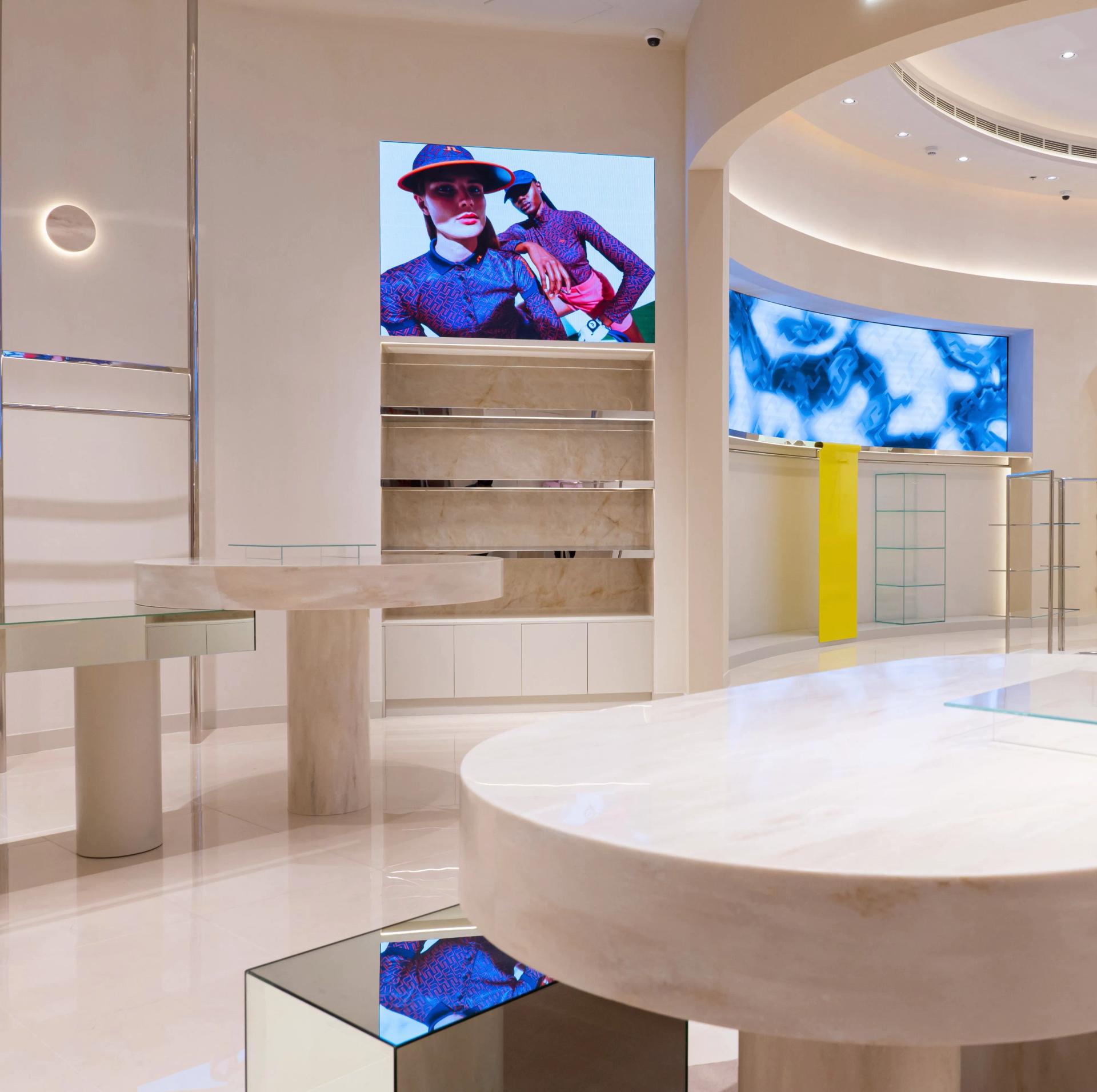
Dubai Mall moves fast. Millions of visitors a year, a blur of luxury signage competing for attention. The J.Lindeberg boutique needed to do the opposite — slow people down, pull them in, make them stay.
The store is built around a single material idea: pale Swedish oak against polished concrete, with blackened steel fixtures running floor to ceiling. The entrance is deliberately narrow, framed by angled panels that compress the sightline before the space opens into the main floor. It's a trick borrowed from gallery design, and it works. You cross the threshold and the noise of the mall drops away.
Clothing is displayed on custom brass rail systems mounted to the concrete walls, spaced generously so each piece reads on its own. The fitting rooms sit at the back behind a wall of ribbed glass — semi-private, daylight-toned LEDs calibrated to mimic Stockholm's flat winter light. No warm department-store glow. The garments look the way they were designed to look.
▪Location
Dubai, UAE
▪Sector
retail
▪Services
flagships, showroom
▪Type
J.Lindeberg Flagship Store
▪Surface
200 m²
▪Creative Director
Tomai Nordgren
▪Project Manager
Tomai Nordgren
▪Palette
Base
#3B4171
Secondary
#A6978B
Highlight
#B9ACA4
Accent
#8C6F64
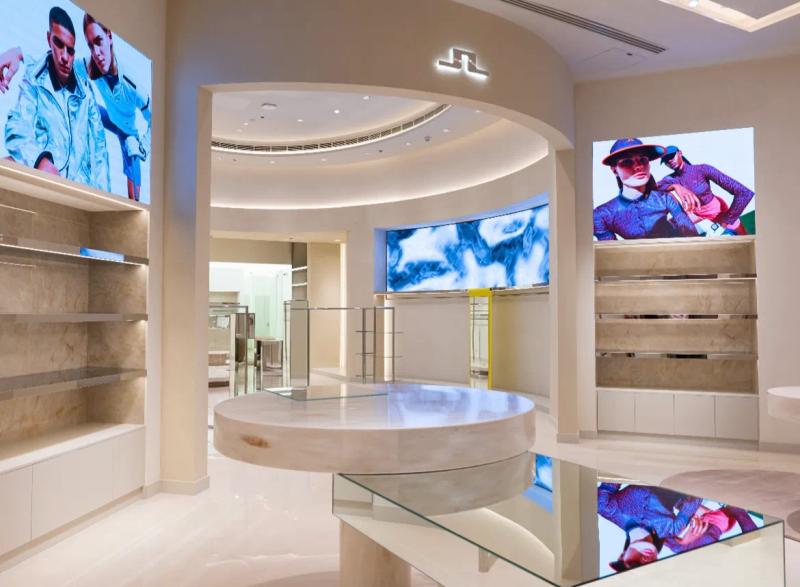
Dubai Mall reads as compact but deliberate. In Dubai Mall, UAE, the plan keeps circulation clear so the room can stay quiet even when it is active. Materials do most of the speaking: wide-plank oak, brushed stainless steel, and matte painted walls that keep reflections controlled. The project keeps the brief grounded in use: Dubai Mall moves fast. Millions of visitors a year, a blur of luxury signage competing for attention. The J.Lindeberg bo. The result is observational and precise. Nothing asks for attention, but everything is legible once you slow down.
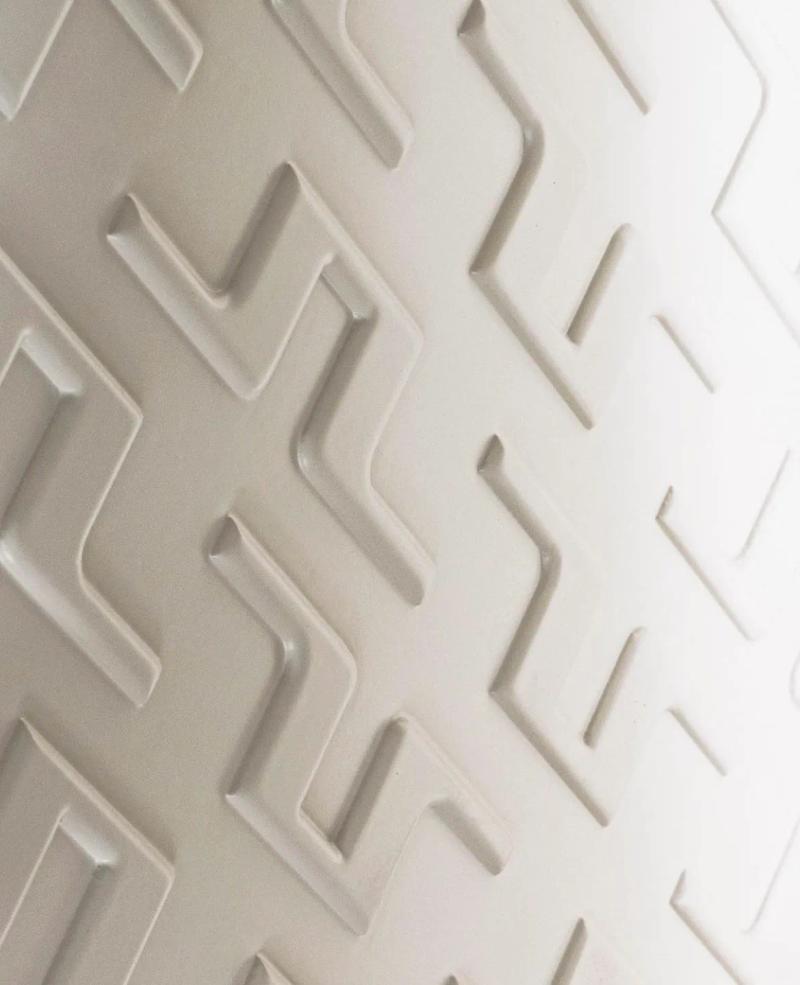
The sequence feels edited rather than sparse. You move through Dubai Mall without friction, and each surface carries enough weight to hold the eye. Junctions are clean and repeatable, which gives the small shifts in material a stronger effect. The project keeps the brief grounded in use: Dubai Mall moves fast. Millions of visitors a year, a blur of luxury signage competing for attention. The J.Lindeberg bo. What stays with you is restraint. The project avoids gestures and leans on proportion, texture, and sequence instead.
At Dubai Mall, the layout works like a measured script. The room gives you one clear line of movement, then lets details accumulate at the edges. Junctions are clean and repeatable, which gives the small shifts in material a stronger effect. The project keeps the brief grounded in use: Dubai Mall moves fast. Millions of visitors a year, a blur of luxury signage competing for attention. The J.Lindeberg bo. It lands through control, not spectacle. Proportion and material contrast carry the atmosphere from one frame to the next.
▪Spatial Priorities
Circulation clarity
Movement routes are kept legible so browsing, service, and dwell zones do not compete.
Sightline control
Displays and focal points are arranged to maintain visibility while preserving rhythm through the space.
Lighting hierarchy
Ambient, focal, and task lighting are balanced so materials read correctly without flattening depth.
▪Material Notes
Key Materials
Material cues referenced in the project text: Oak, Concrete, Stainless Steel, Brass, Glass.
Color Reference
Image-derived palette baseline: Base #3B4171, Secondary #A6978B, Highlight #B9ACA4, Accent #8C6F64. Use as a visual reference and validate against material samples on site.
Finish Notes
Keep finish notes practical: identify high-touch surfaces, wear-prone edges, and cleaning-sensitive materials.
▪Delivery Scope
Concept Development
Spatial concept, layout direction, and design intent framing.
Material & Finish Specification
Selection and documentation of key finishes, fixtures, and surfaces.
Art Direction
Visual consistency across touchpoints, detailing, and spatial expression.
Merchandising / Display Logic
Display zones and fixture priorities coordinated with circulation and visibility.
Related projects