StyleIn
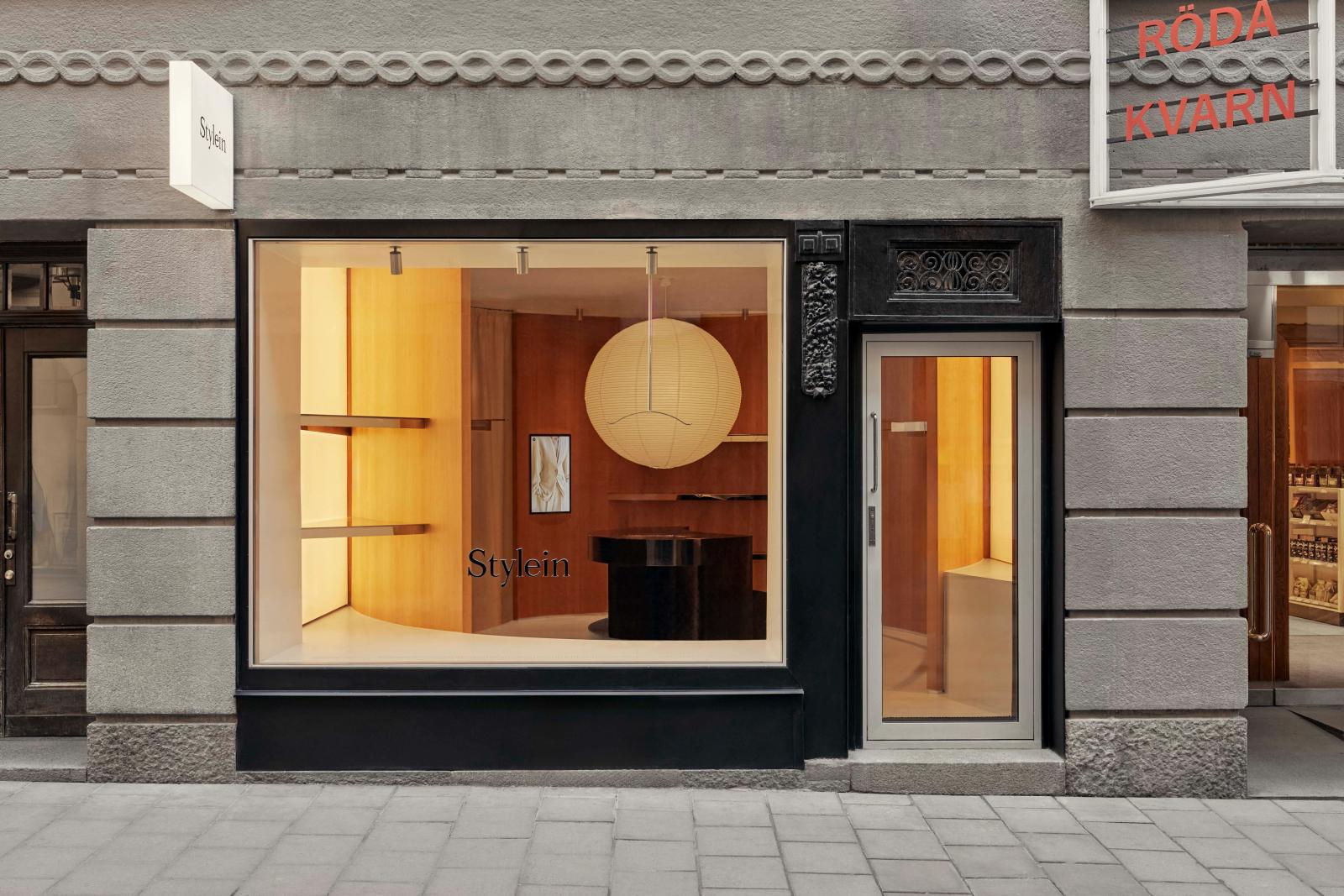
Stylein Flagship Store, Stockholm
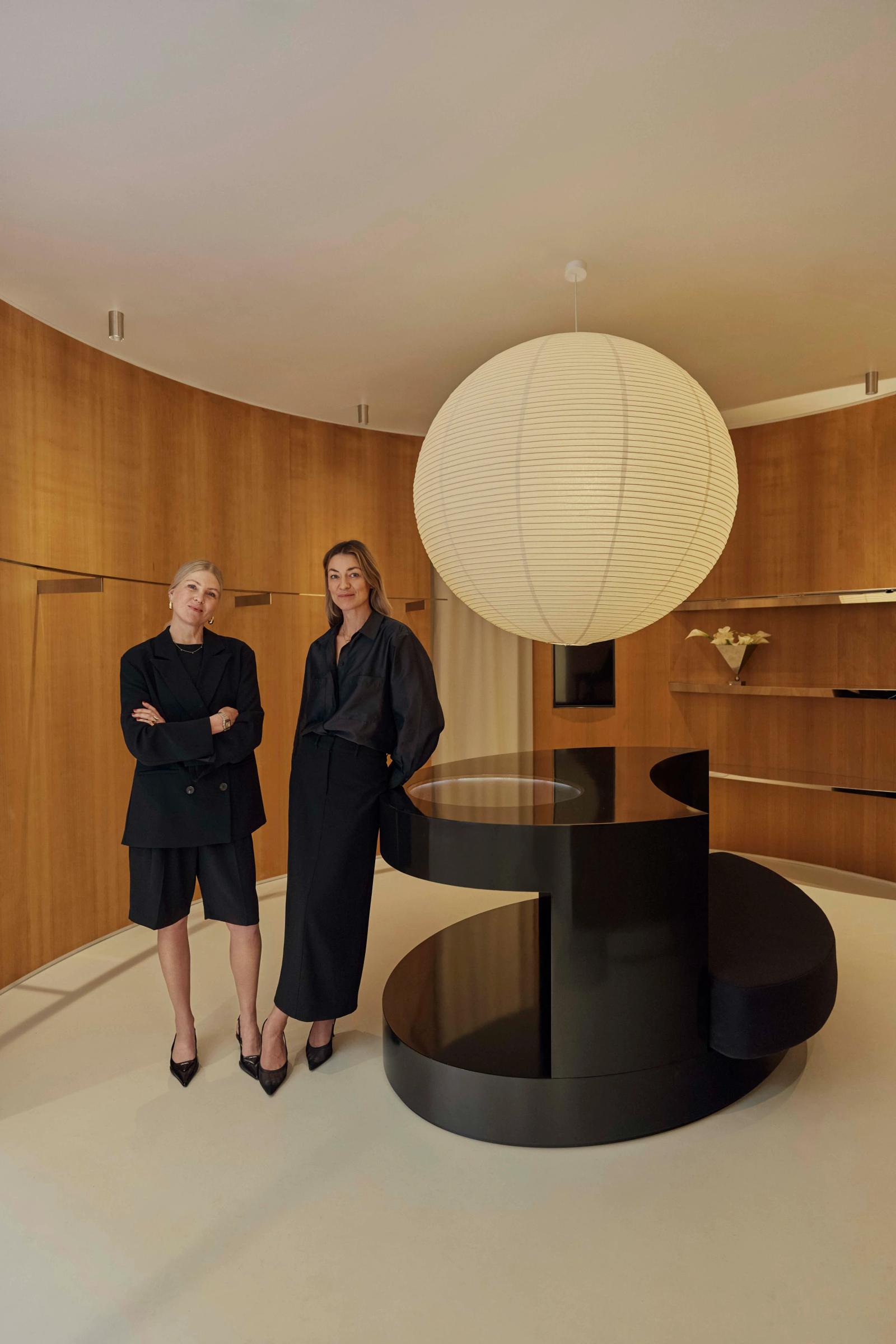
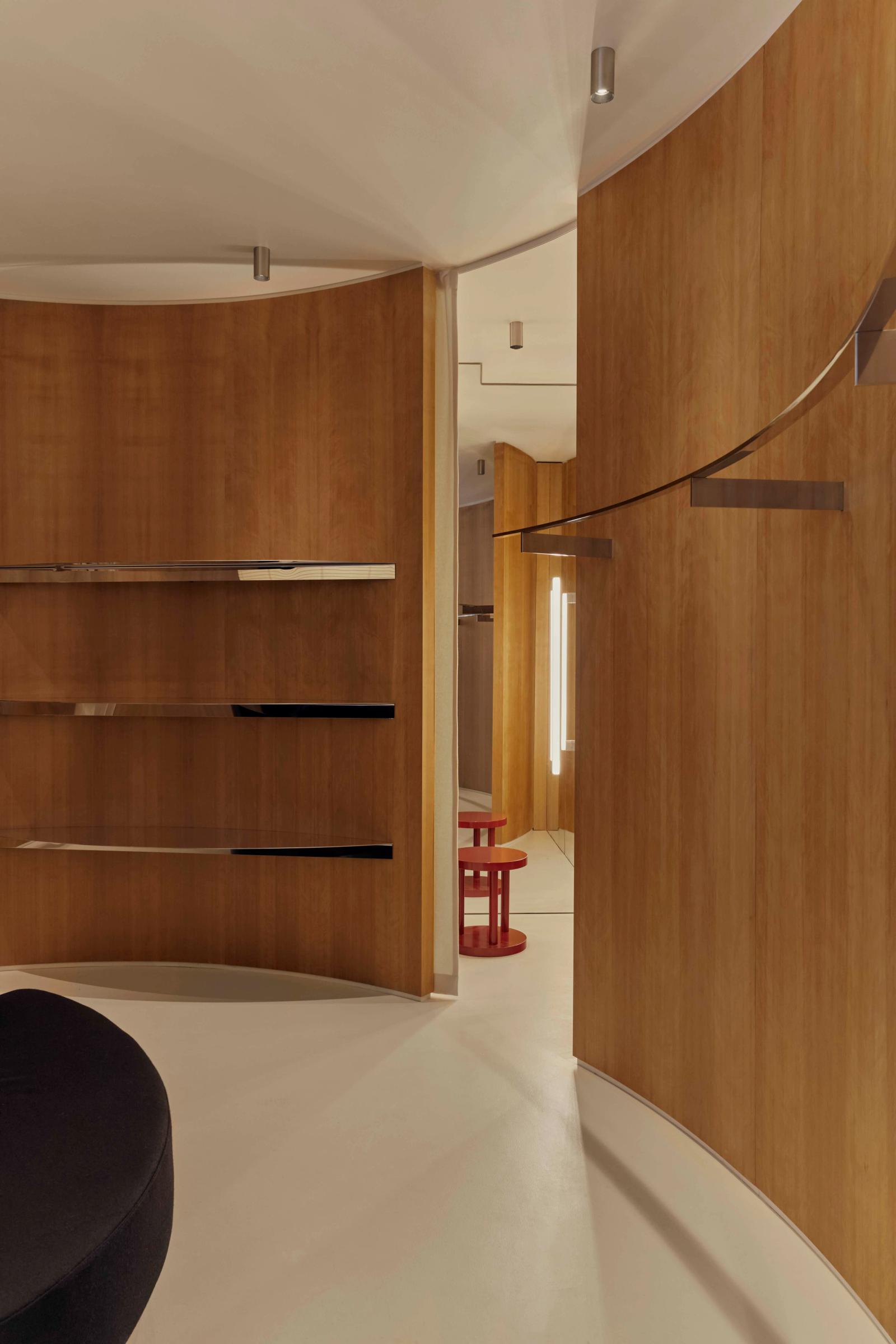
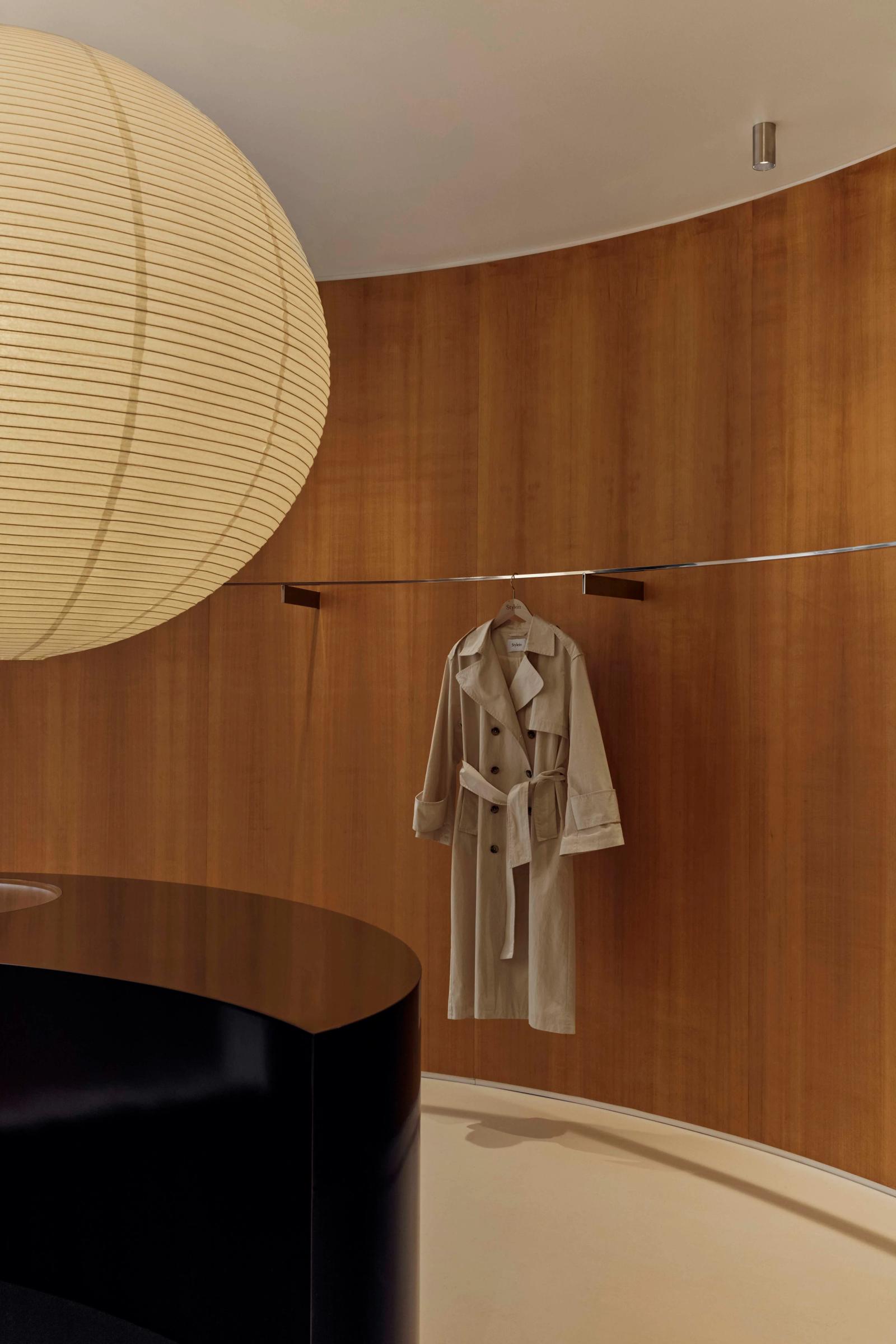
In March 2025, Swedish fashion label Stylein opened a flagship boutique in the heart of Stockholm a landmark moment in its retail evolution.Located on Mäster Samuelsgatan (in the prestigious Bibliotekstan district), the new 50m² store stakes a bold claim for the brand and invites customers into a space where minimalism meets motion of home.
▪Client
Stylein
▪Location
Master Samuelsgatan, Stockholm
▪Design Surface
50 m²
▪Scope
Retail Boutique
▪Opening
March 2025
▪Creative Director
Thibaut Allgayer
▪Project Manager
Tomai Nordgren
02
Challenge
The flagship had to operate as more than a compact point of sale. In Bibliotekstan, each frontage is compared against high-performing premium neighbors, so spatial quality directly affects brand perception. Key issues to address:
▪Create a clear spatial identity that reflects Stylein's minimalist brand language.
▪Make a ~50 m2 footprint feel composed and commercially efficient at peak traffic.
▪Balance product density with calm sightlines so the store reads as premium, not crowded.
▪Define a customer path that supports discovery, fitting-room access, and checkout without friction.
03
Insight
Analysis of the district and customer behavior showed that small luxury stores perform best when sequence, material legibility, and lighting are handled as one system. Visitors make a quality judgment within seconds of entry. Strategic implications:
▪The threshold and first 3-5 meters must communicate intent immediately.
▪Material transitions should be minimal and deliberate to reduce visual noise.
▪Display architecture must support frequent collection rotation without reworking core fixtures.
▪Service functions should stay discreet so the retail floor remains visually continuous.
04
Solution
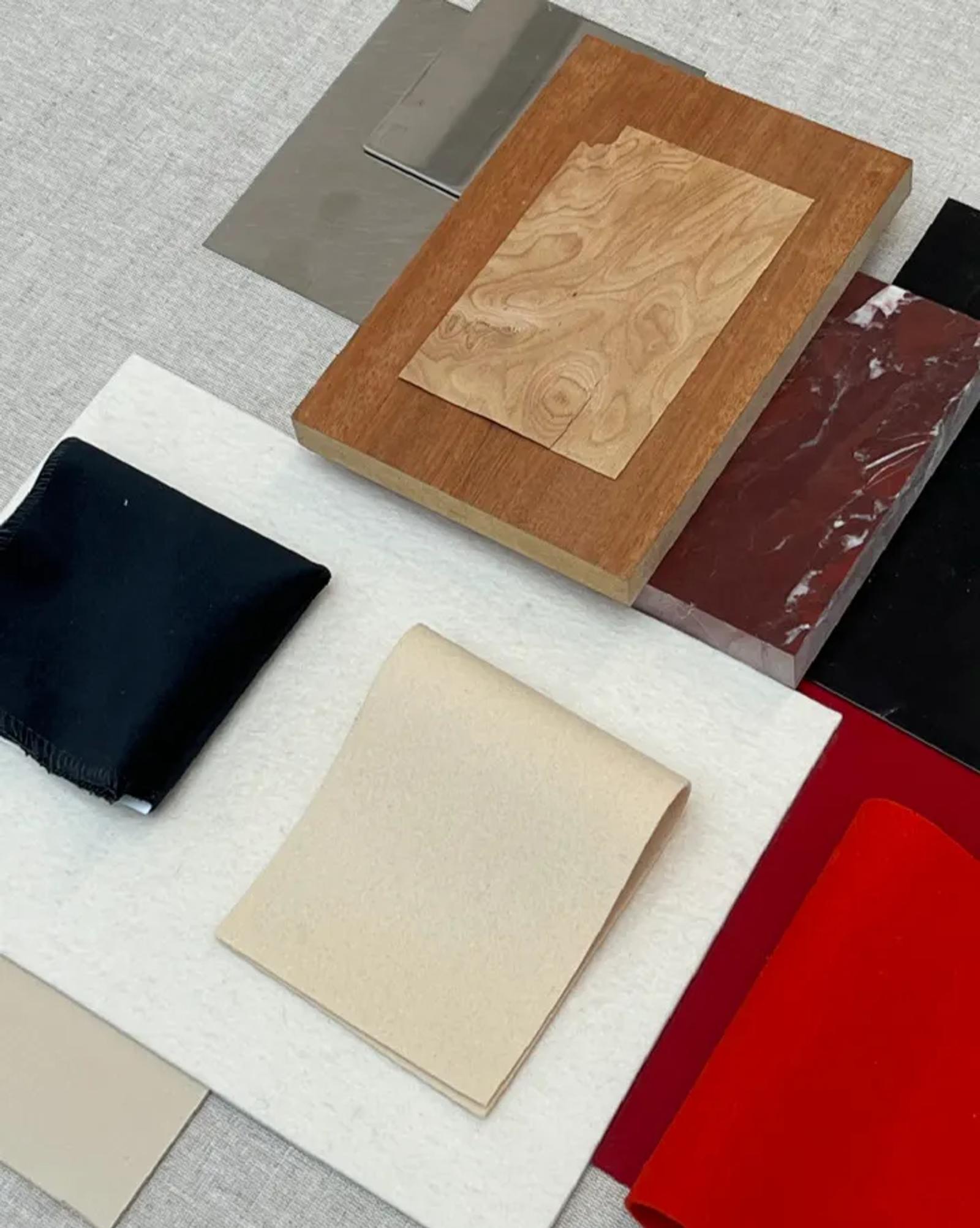
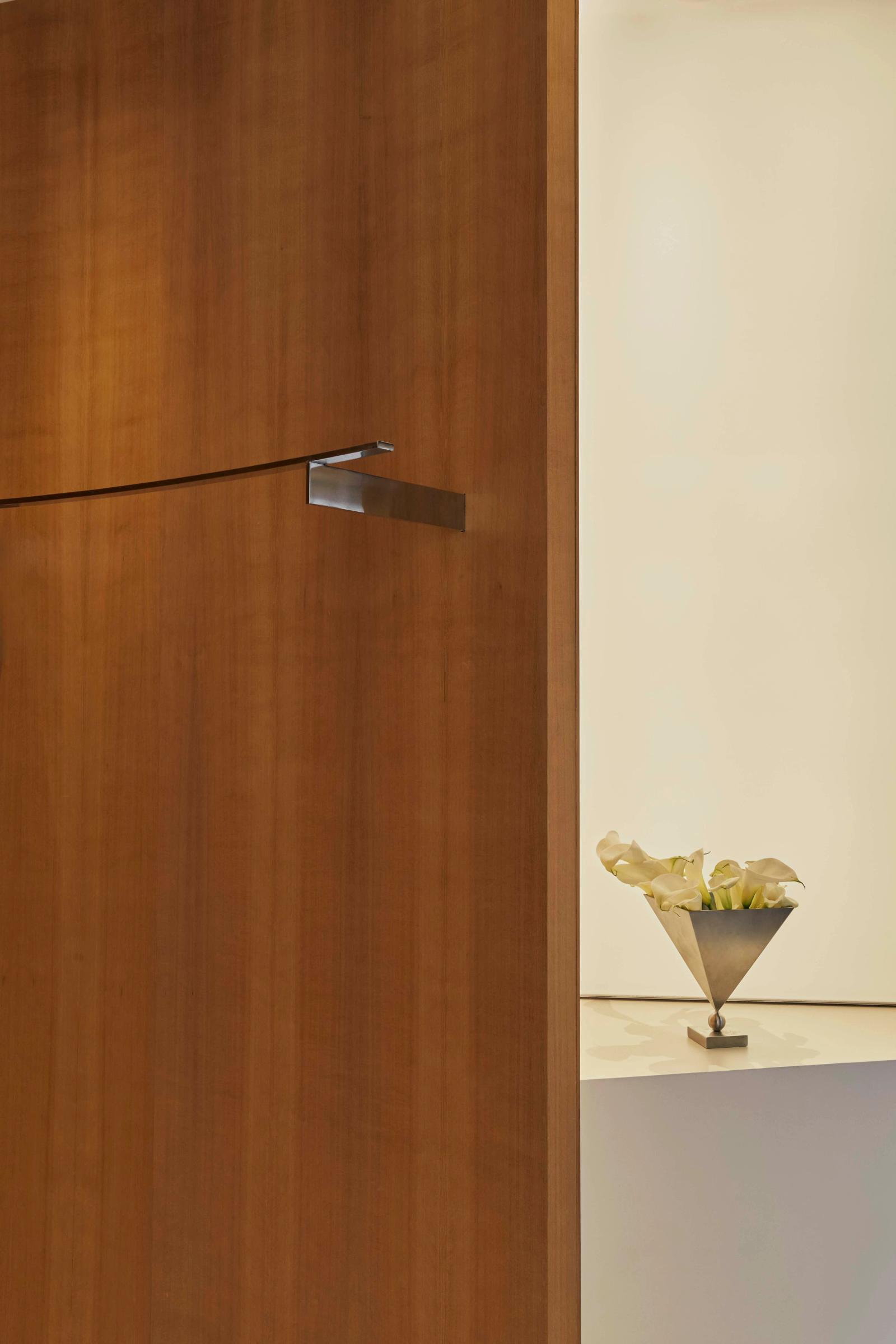
The design response used a tightly edited kit-of-parts: continuous rails, modular display plinths, integrated storage lines, and a restrained material palette. Every element was sized against circulation and merchandising needs before fabrication. Technical moves implemented:
▪Established fixed datum lines for joinery and display to keep visual order across the room.
▪Prioritized durable high-touch materials and repeatable details for maintenance efficiency.
▪Layered ambient and accent lighting to preserve product legibility across different times of day.
▪Coordinated fixture geometry with operational workflows to reduce daily reset time.
05
Outcome
The store launched in March 2025 as a high-clarity flagship environment that supports both brand storytelling and day-to-day trading. The final result performs as a compact but complete retail system rather than a styled showroom. Observed outcomes:
▪Clearer spatial hierarchy from entry to fitting and checkout zones.
▪Improved product readability through controlled contrast and lighting.
▪Operational flexibility for collection updates without structural changes.
▪A stronger flagship presence aligned with district expectations and brand positioning.
06
Why It Matters
This project shows that small-format flagship design succeeds through precision, not visual volume. When constraints are formalized early, design quality and commercial function reinforce each other. Transferable takeaways:
▪Lock scope, circulation widths, and fixture logic before procurement.
▪Treat materials, lighting, and merchandising as one coordinated system.
▪Use modular detailing to support seasonal change with minimal intervention.
▪Keep service operations embedded but visually quiet.
▪Lock scope, circulation widths, and fixture logic before procurement.
▪Treat materials, lighting, and merchandising as one coordinated system.
▪Use modular detailing to support seasonal change with minimal intervention.
▪Keep service operations embedded but visually quiet.
“Every square meter must tell the brand story with clarity and depth.”
Results
Client-Reported Results
Sales Impact
24% sales increase after the move to the new address and boutique.Footfall / Visitor Flow
Based on the client team's day-to-day observation, the new boutique is receiving significantly more visitors overall. A major driver is increased communication around the store across brand channels, press outreach, and a more active program of store activations designed to drive visits.
The client noted lower footfall than the previous Sturegallerian location during peak summer and in January, but stronger customer flow across the remaining months and throughout the main trading seasons. Overall traffic is reported as higher, to the point that the team has discussed staffing the store with more than one person at a time to keep up with visitor intake.
Stylein has also built a VIP customer club, Boutique Community, which is being used to capture visitors and build long-term relationships.
Brand Impact
The client reports a stronger brand presence through the new boutique, both because the space better reflects Stylein's identity and because the team now actively promotes the store in ways they had not done previously at the same scale.
This includes recurring events, VIP shopping, increased press invitations, collaborations, pop-up initiatives, and social media activations in both local and international contexts. The boutique is described as a destination the team is proud to invite people into and present as a clear expression of the brand.
The client also highlights the architecture publicly and continues to position the store as a central part of Stylein's brand communication.
Customer Feedback
Customers frequently comment on the store's distinctive aesthetic, especially the rounded forms, which are perceived as highly recognizable and unlike other boutiques. The wood selection is also repeatedly mentioned.
The overall atmosphere is described by customers as warm, inviting, and luxuriously homelike. The intended cocoon concept is reportedly felt in practice, with the space experienced as embracing and welcoming.
The team is also regularly asked who designed or built the store, including as recently as the past weekend. A previously recurring complaint about the lack of a mirror on the shop floor has now been resolved, and the client reports that this issue is no longer being raised.
Floorplan
Retail Space Layout
Constraints
Primary constraints included a compact footprint, high-rent context, and premium market benchmarking within Bibliotekstan.
Site context
Master Samuelsgatan, Stockholm.
Footprint
Approximately 50 m2.
Delivery target
March 2025 opening.
Performance requirement
Flagship-level quality in a small-format plan.
Program Breakdown
Program allocation was calibrated for commercial clarity and operational control.
Total design surface
Approximately 50 m2.
Core functions
Entry threshold, primary display run, fitting-room zone, checkout interface, concealed support storage.
Planning priorities
Uninterrupted sightlines, intuitive pathing, and quick merchandising reset.
Materials and Fabrication
Material and fabrication strategy prioritized repeatability, durability, and clean junction control.
Primary surfaces
For wear resistance at customer contact points.
Joinery interfaces
To reduce installation risk and tolerance drift.
Fixture components
As modular units for maintenance and seasonal updates.
Detail language
Minimal to preserve visual calm under varied product loads.
Technical Performance
Technical performance was tracked through spatial and operational indicators.
Reference area
50 m2.
Key KPIs
Dwell time by zone, conversion at priority fixtures, maintenance frequency at high-touch elements.
Lighting objective
Stable product legibility under changing external daylight conditions.
Operational objective
Reduce daily setup friction via predictable fixture logic.
Lessons Learned
This project shows that small-format flagship design succeeds through precision, not visual volume. When constraints are formalized early, design quality and commercial function reinforce each other. Transferable takeaways:
Lock scope, circulation widths, and fixture logic
Procurement.
Treat materials, lighting, and merchandising as one coordinated system.
Use modular detailing
Support seasonal change with minimal intervention.
Keep service operations embedded but visually quiet.
Related projects
Intro