Dippa Buller Canalhouse
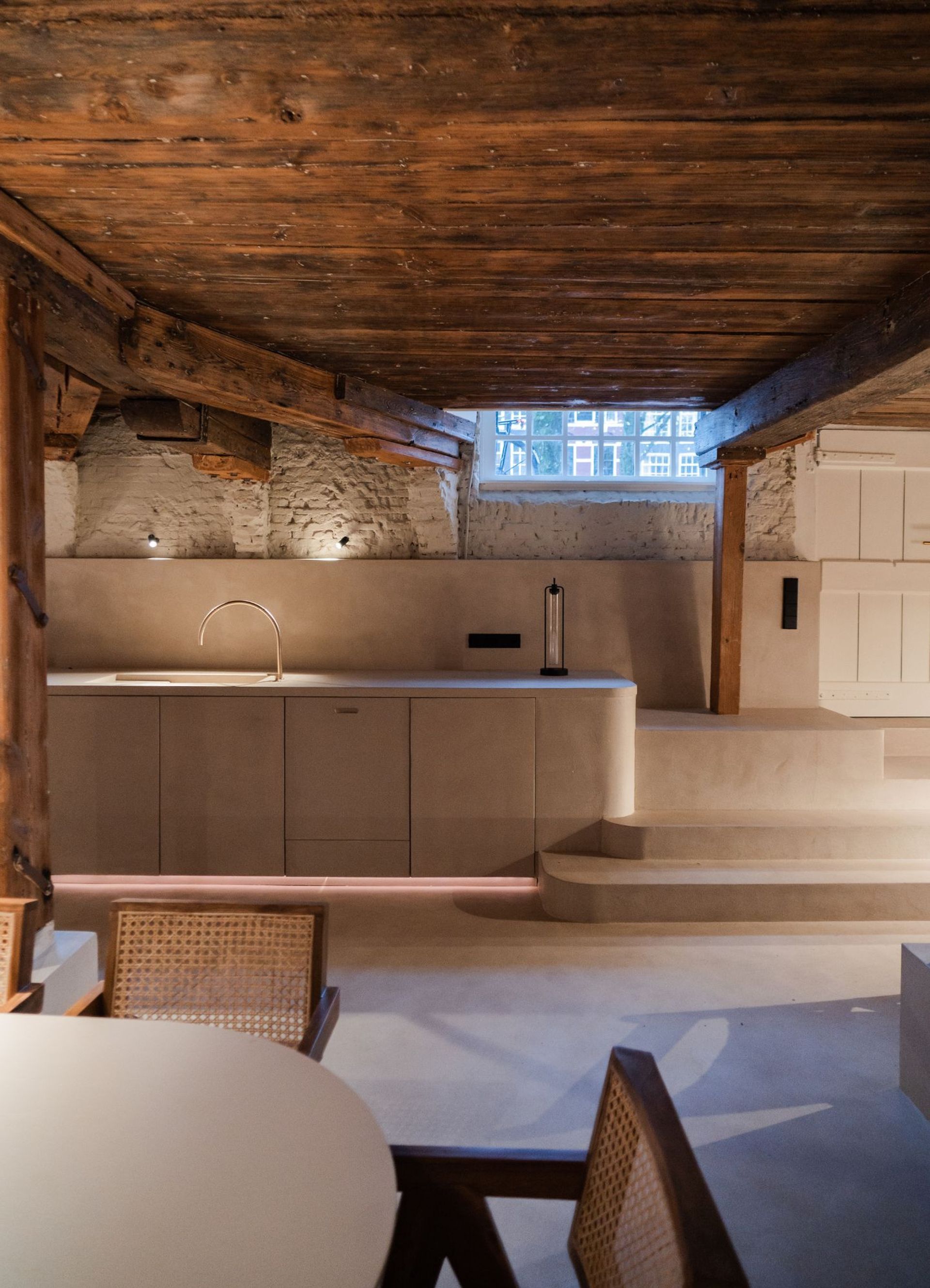
The canal house renovation works by subtraction. Original structural elements remain visible, then contemporary insertions are added with restraint: clean-lined cabinetry, honed stone worktops, and dark metal details that sharpen inherited proportions. Old and new are kept in dialogue instead of being blended into a single style.
Light is allowed to travel deep into the plan. Open passages, mirrored reveals, and soft wall finishes reduce contrast and help the historic shell function for modern routines. Where privacy is needed, thresholds are handled with sliding elements rather than heavy permanent partitions.
Material transitions are precise and repeatable. Timber edges, stone junctions, and metal trims are resolved with minimal fuss, which gives the project its quiet confidence. The house feels contemporary in use while still reading as part of the canal typology.
▪Location
Ibiza, Spain
▪Sector
residential
▪Services
private-villa, remodeling
▪Type
Dippa Buller Canalhouse
▪Palette
Base
#83634D
Secondary
#9B7A63
Highlight
#B9A290
Accent
#62422C
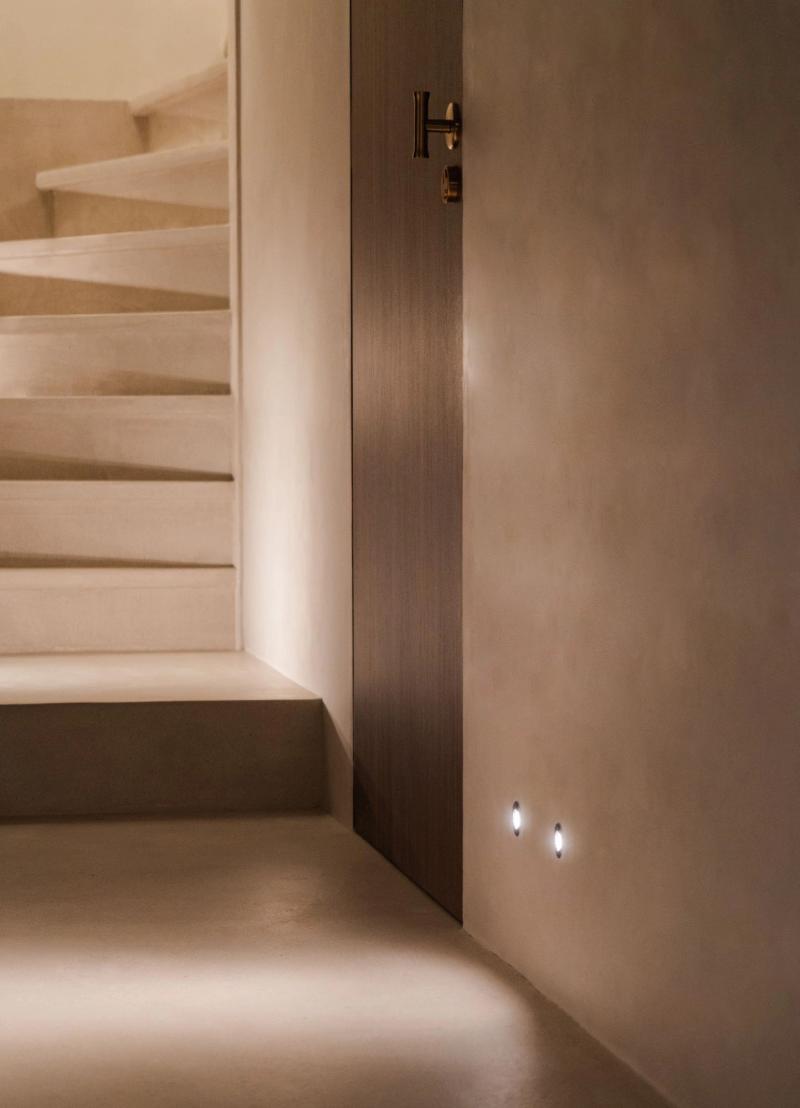
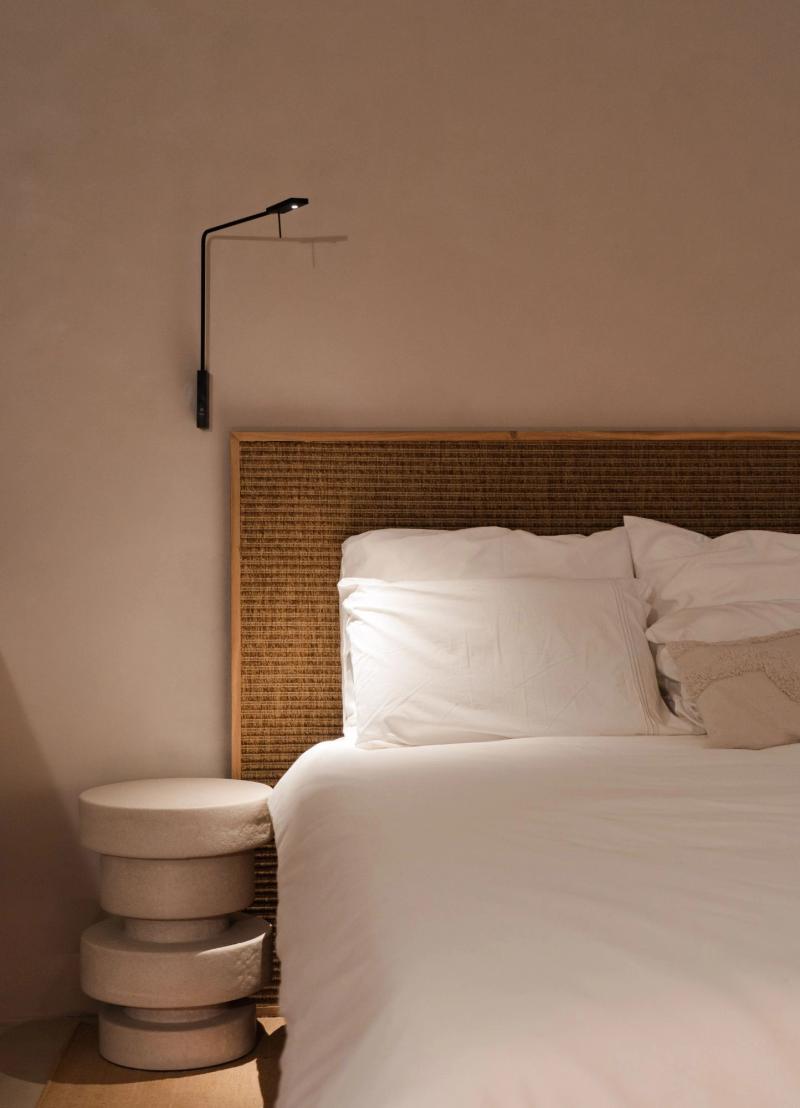
Dippa Buller Canalhouse reads as compact but deliberate. In Ibiza, Spain, the plan keeps circulation clear so the room can stay quiet even when it is active. Materials do most of the speaking: wide-plank oak, brushed stainless steel, and matte painted walls that keep reflections controlled. The project keeps the brief grounded in use: This interior reveals a retreat shaped by subtlety an architecture that speaks softly through texture , form , and light. The result is observational and precise. Nothing asks for attention, but everything is legible once you slow down.
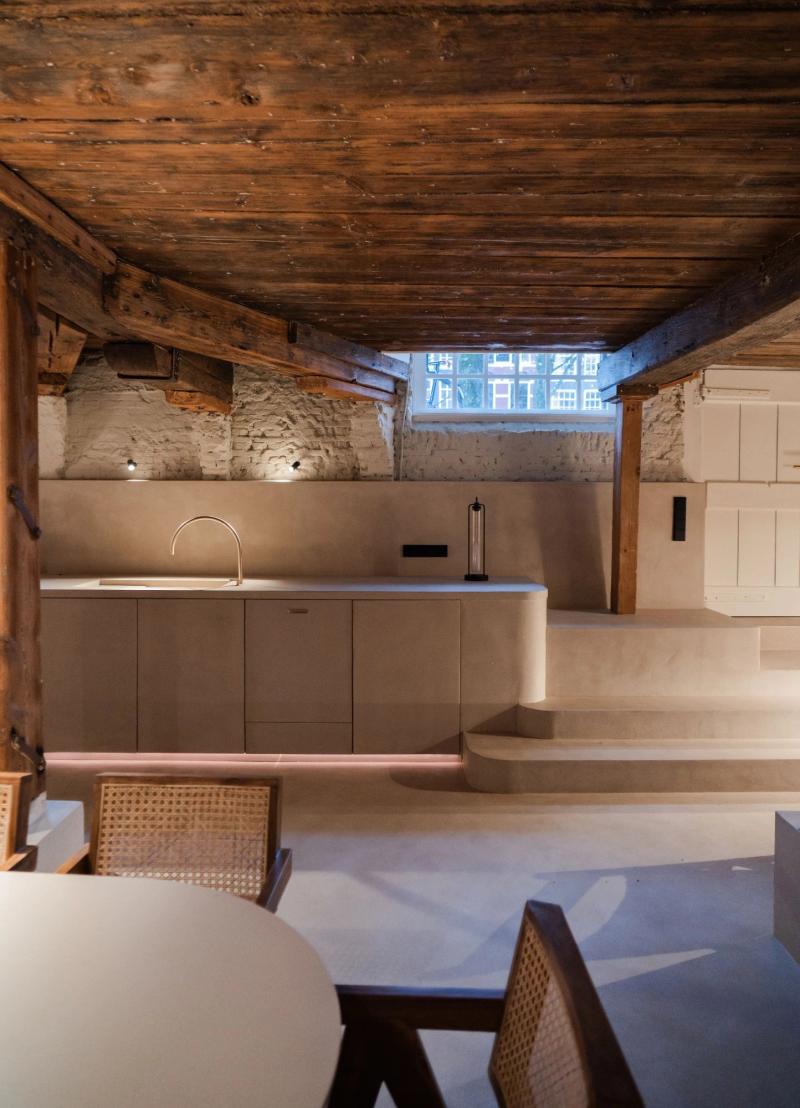
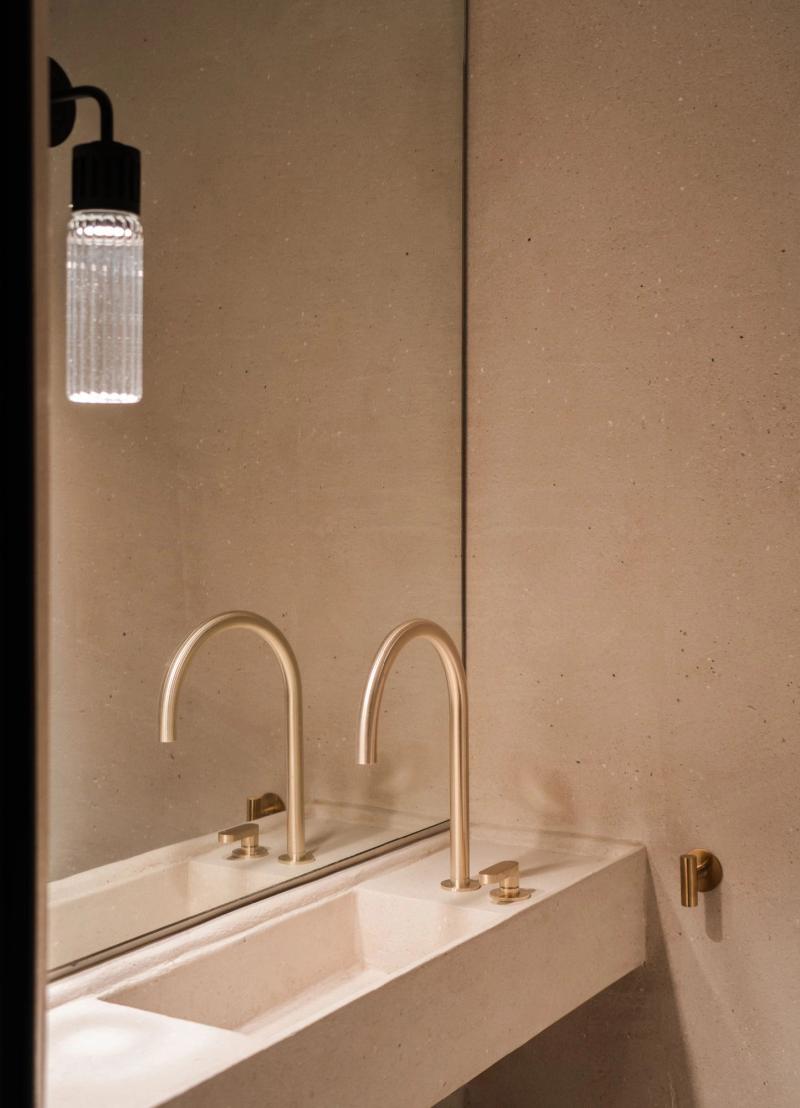
The sequence feels edited rather than sparse. You move through Dippa Buller Canalhouse without friction, and each surface carries enough weight to hold the eye. Junctions are clean and repeatable, which gives the small shifts in material a stronger effect. The project keeps the brief grounded in use: This interior reveals a retreat shaped by subtlety an architecture that speaks softly through texture , form , and light. What stays with you is restraint. The project avoids gestures and leans on proportion, texture, and sequence instead.
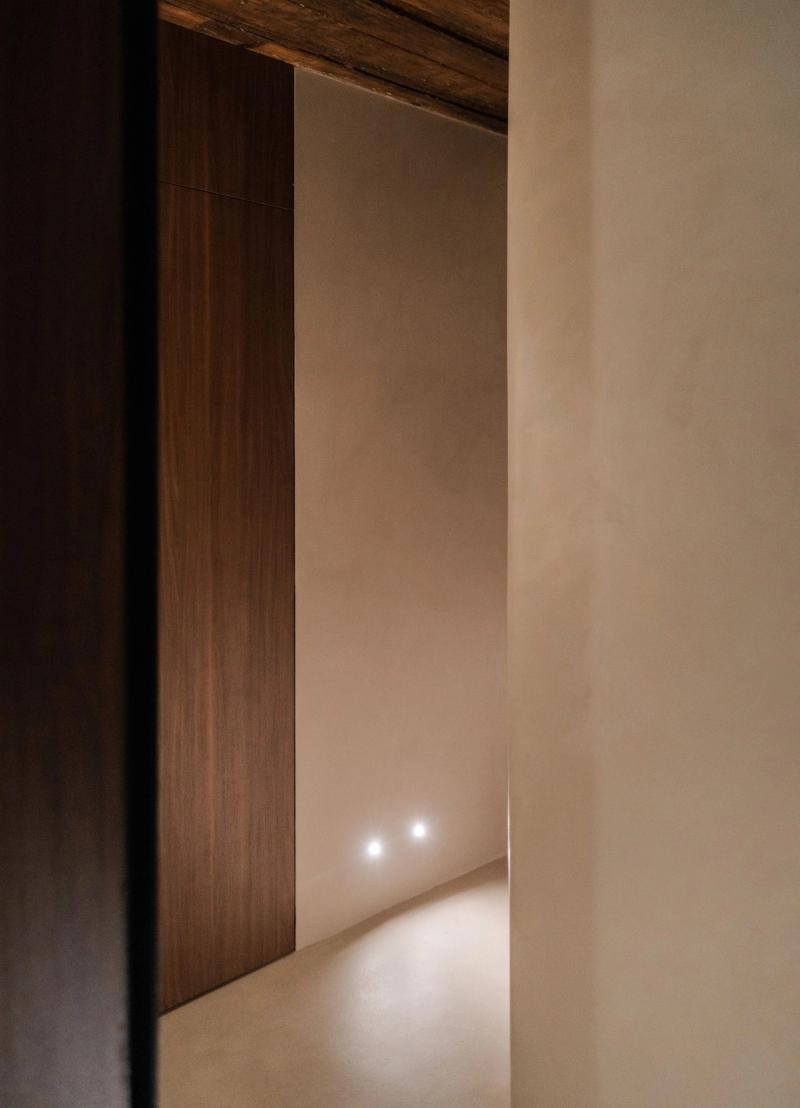
At Dippa Buller Canalhouse , the layout works like a measured script. The room gives you one clear line of movement, then lets details accumulate at the edges. Junctions are clean and repeatable, which gives the small shifts in material a stronger effect. The project keeps the brief grounded in use: This interior reveals a retreat shaped by subtlety an architecture that speaks softly through texture , form , and light. It lands through control, not spectacle. Proportion and material contrast carry the atmosphere from one frame to the next.
▪Spatial Priorities
Circulation clarity
Movement routes are kept legible so browsing, service, and dwell zones do not compete.
Lighting hierarchy
Ambient, focal, and task lighting are balanced so materials read correctly without flattening depth.
Material readability
Surface changes are used to clarify zones, touchpoints, and pace rather than decorative effect.
▪Material Notes
Key Materials
Material cues referenced in the project text: Mirror, Stone, Timber.
Color Reference
Image-derived palette baseline: Base #83634D, Secondary #9B7A63, Highlight #B9A290, Accent #62422C. Use as a visual reference and validate against material samples on site.
Finish Notes
Keep finish notes practical: identify high-touch surfaces, wear-prone edges, and cleaning-sensitive materials.
▪Delivery Scope
Concept Development
Spatial concept, layout direction, and design intent framing.
Material & Finish Specification
Selection and documentation of key finishes, fixtures, and surfaces.
Art Direction
Visual consistency across touchpoints, detailing, and spatial expression.
Execution Support
Technical intent communicated for procurement, fabrication, and site coordination.
Related projects