Maribelle Ibiza
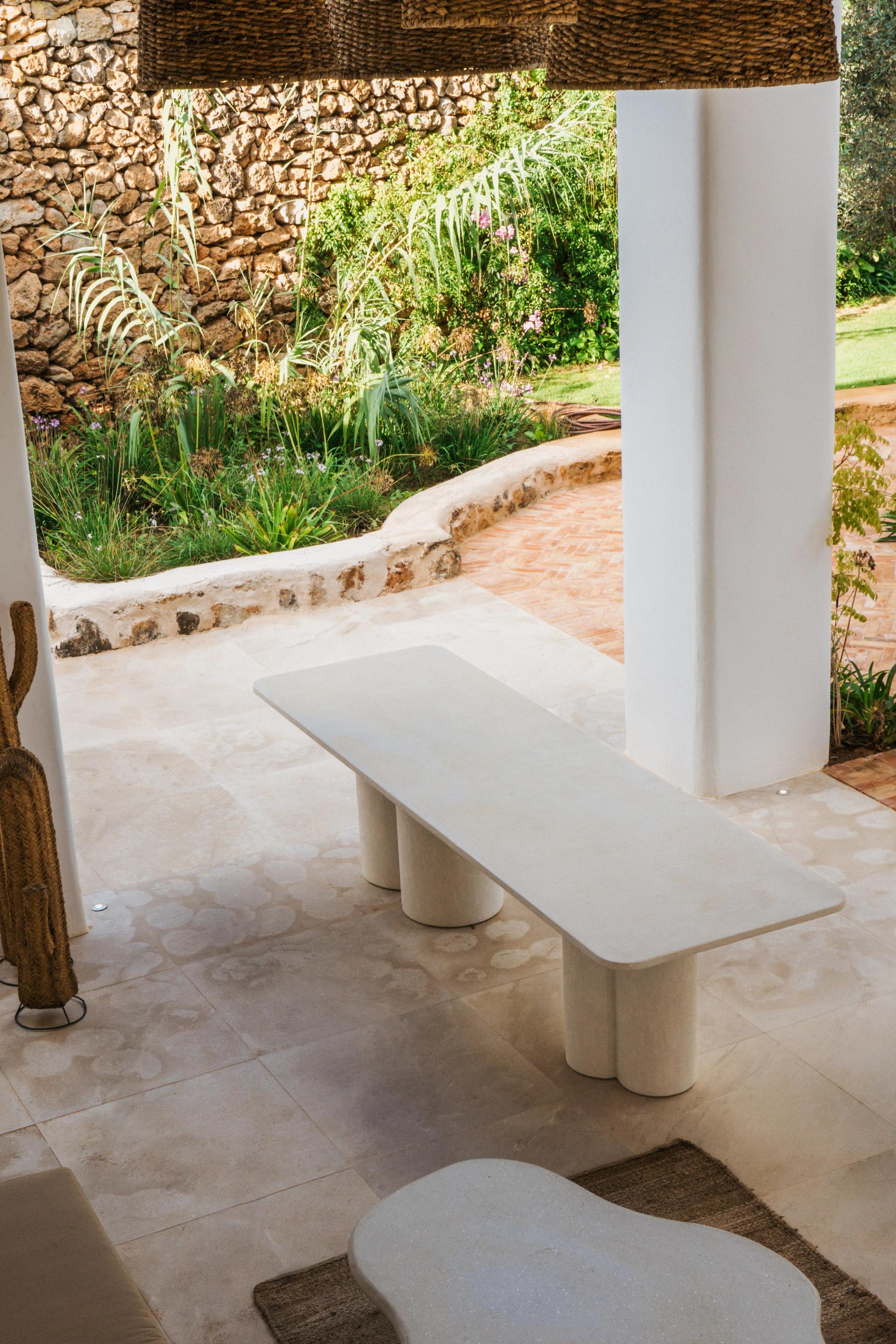
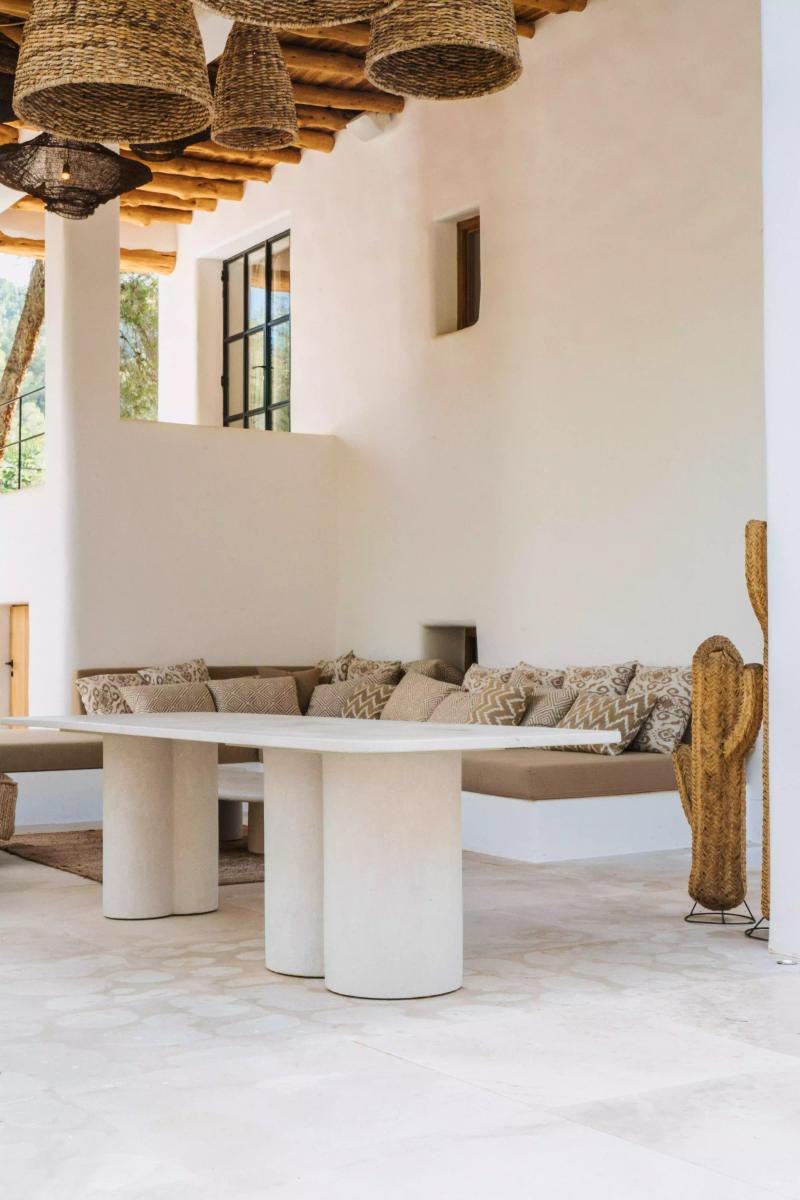
Maribelle started with the trees. A row of old carob trees running along the eastern edge of the property, thick-trunked and casting deep shade by noon. The clients wanted an outdoor living space that used the existing landscape rather than replacing it, so we built around what was already there.
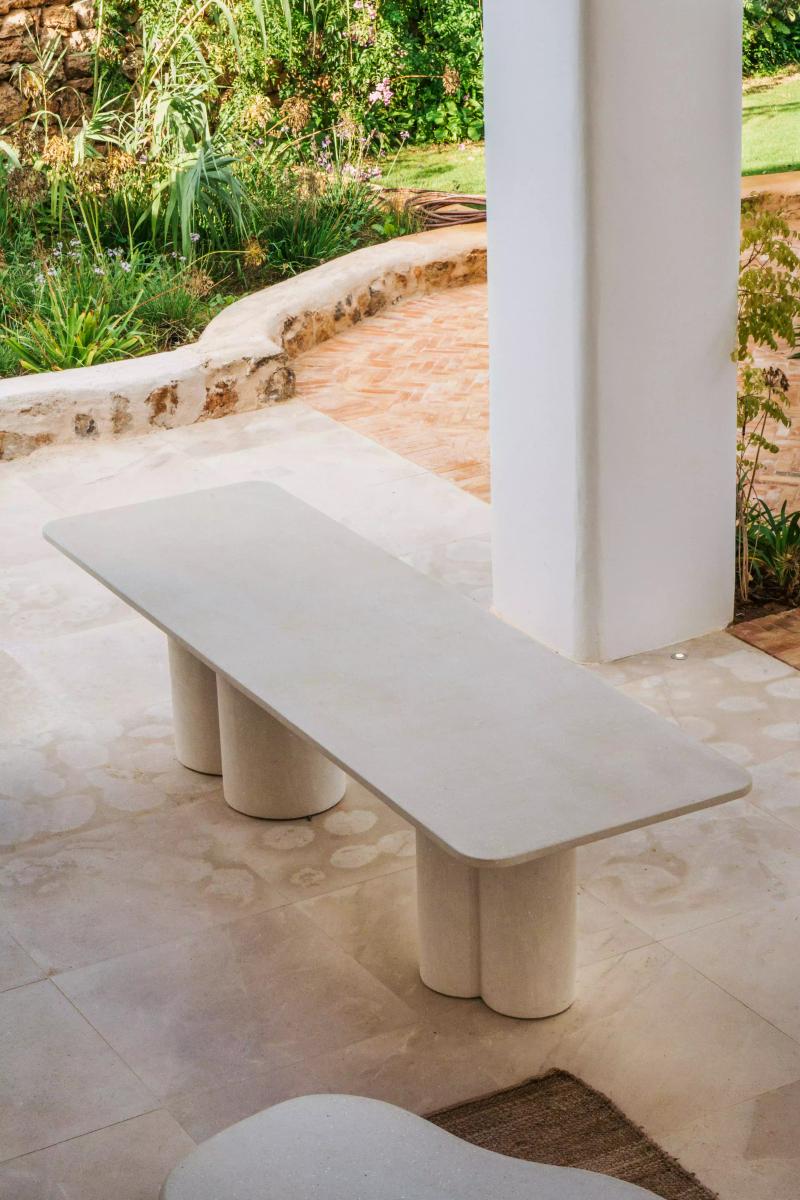
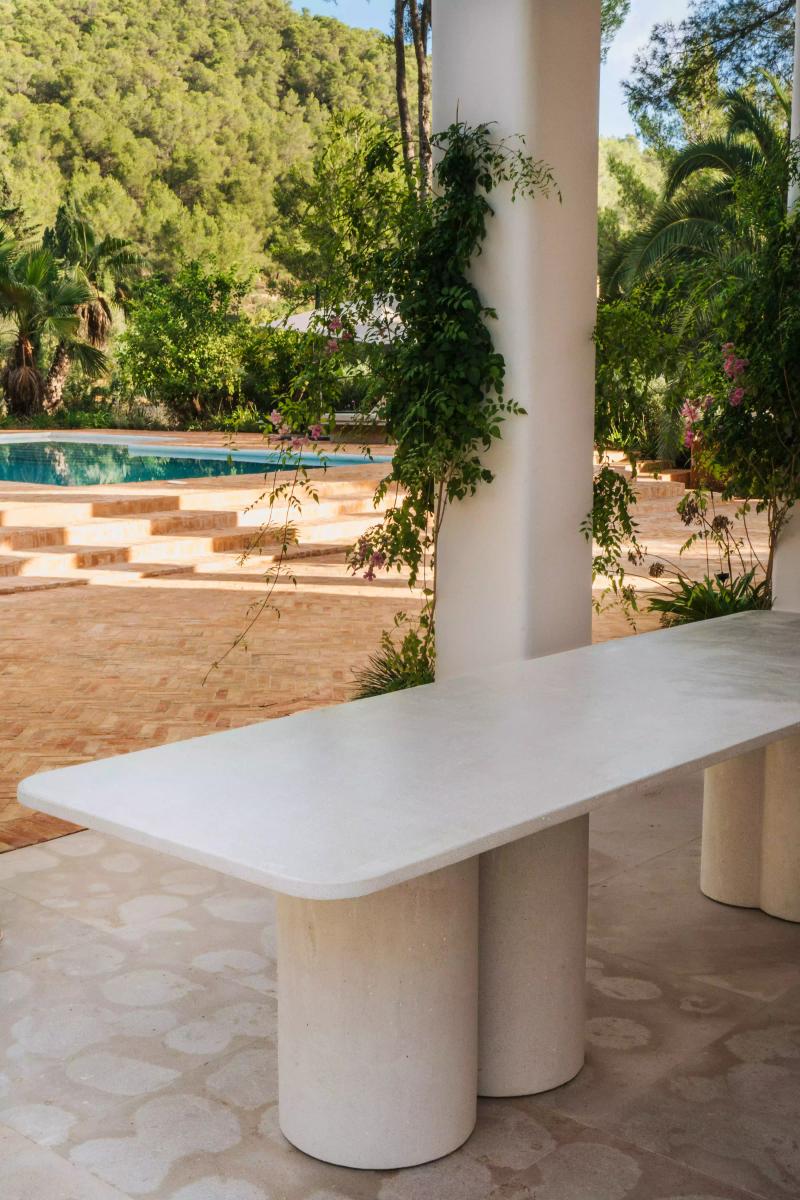
The main terrace is a poured concrete platform that steps down in two levels, following the natural grade of the hillside. It slots between the carob trees without touching them. Loose gravel borders soften the edges and let rainwater drain naturally into the garden below. There are no railings — the levels are low enough that the space feels open to the land on every side.
A long dining table in raw teak sits on the upper level, shaded by a steel pergola with a retractable canvas canopy in undyed cotton. The lower level is looser — oversized daybeds with outdoor linen cushions, a low fire pit set into the concrete, and a built-in bench along a stone wall that retains the slope. The wall itself is dry-stacked local sandstone, unfinished, already growing moss on its north face.
▪Location
Ibiza, Spain
▪Sector
residential
▪Services
private-villa
▪Type
Maribelle Ibiza
▪Palette
Base
#746648
Secondary
#B9AFA4
Highlight
#DBD6D1
Accent
#9F937F
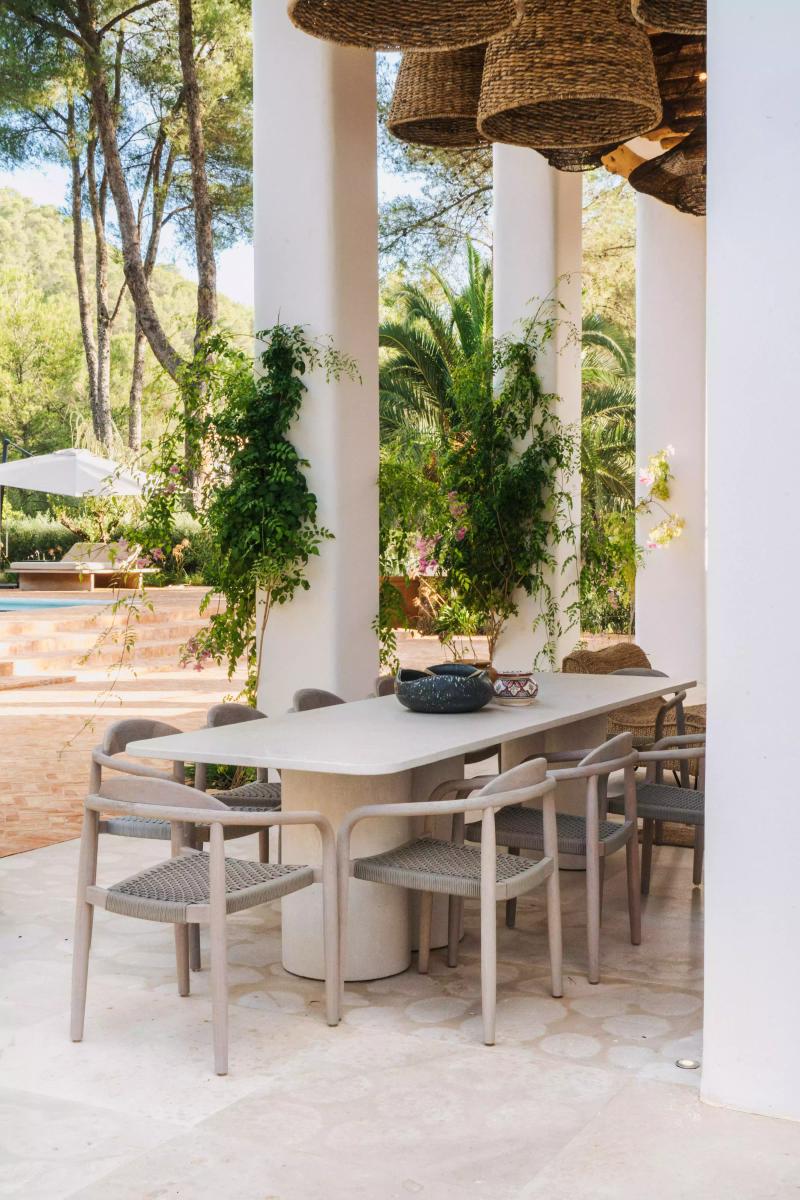
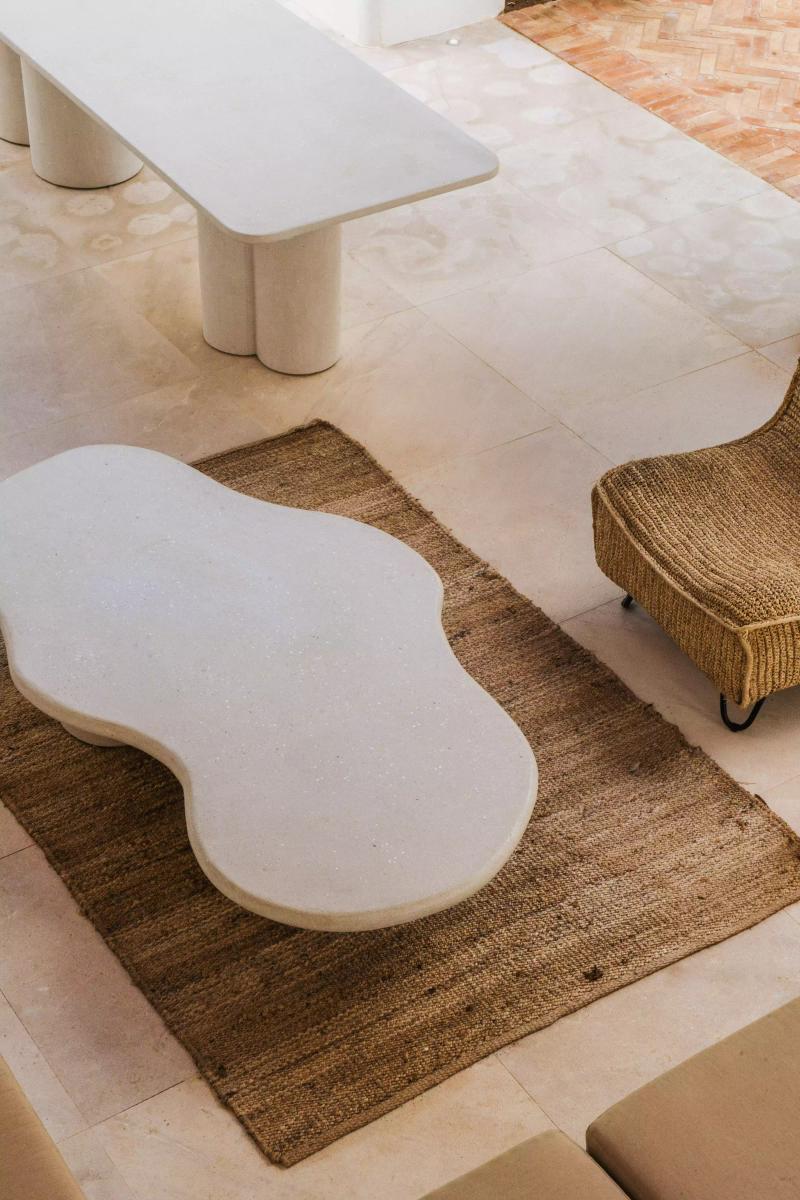
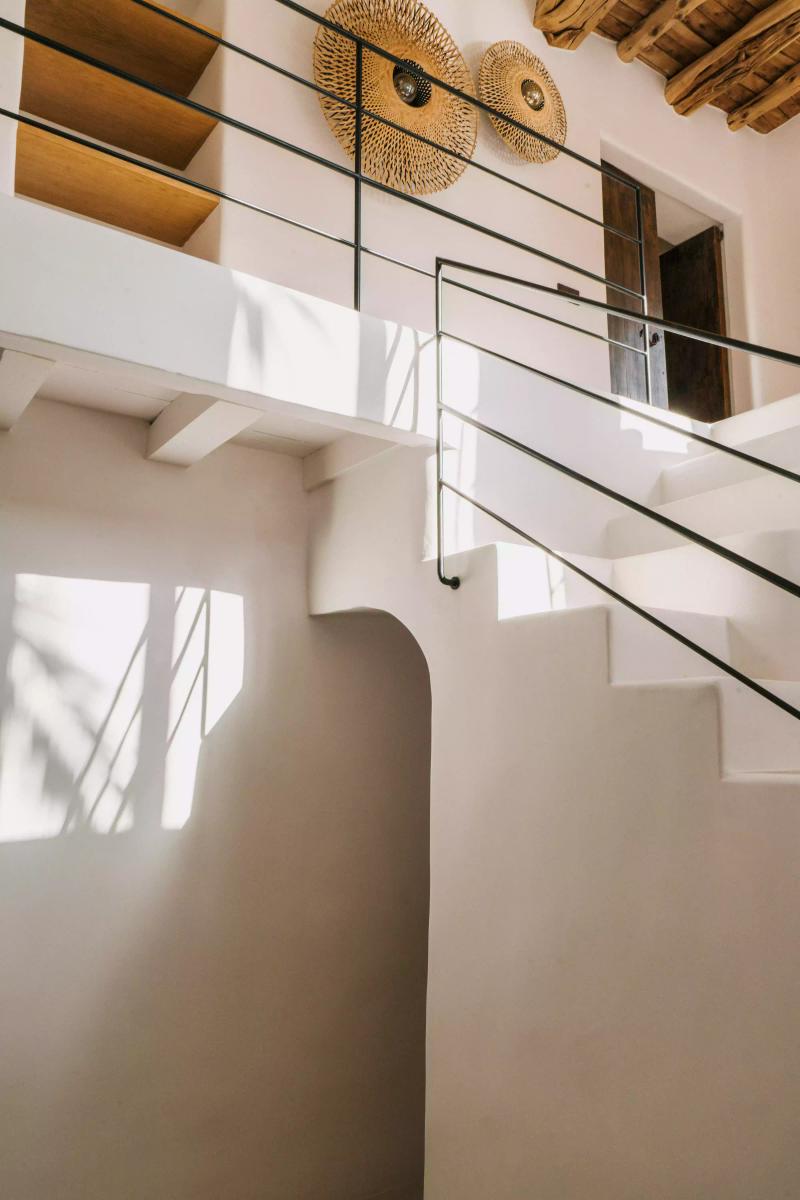
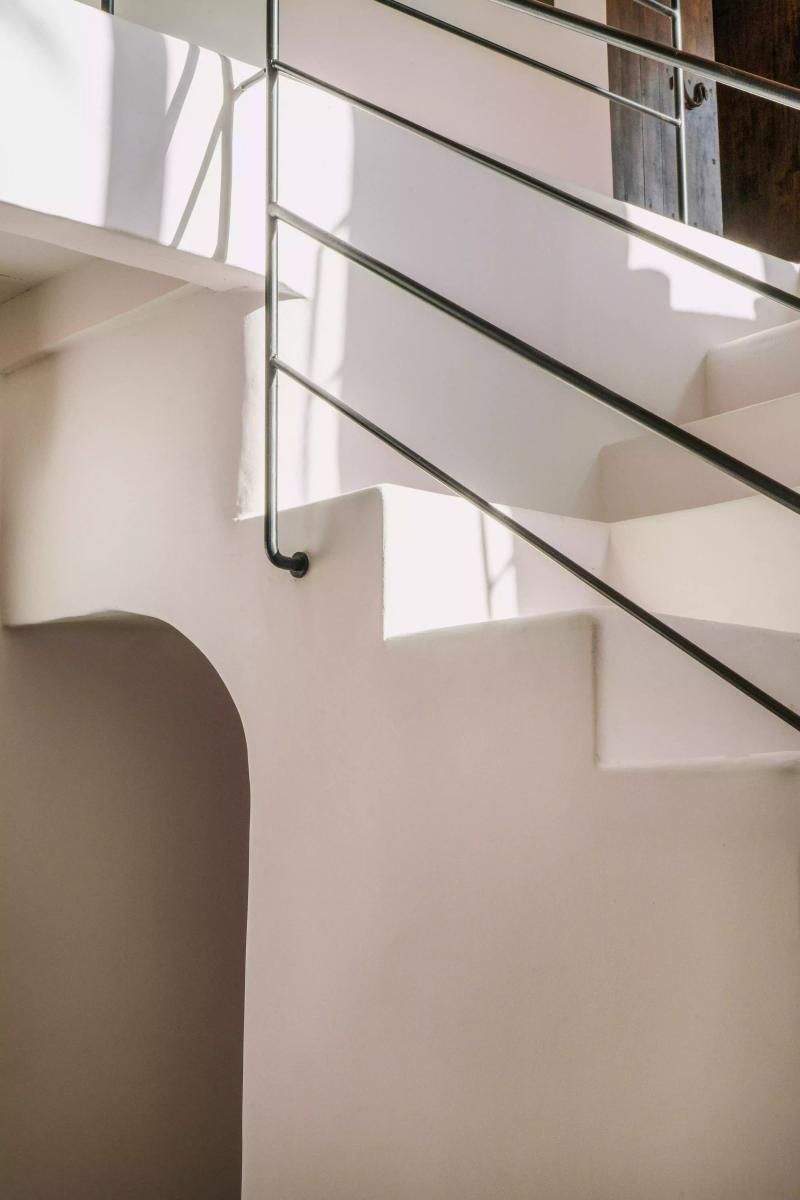
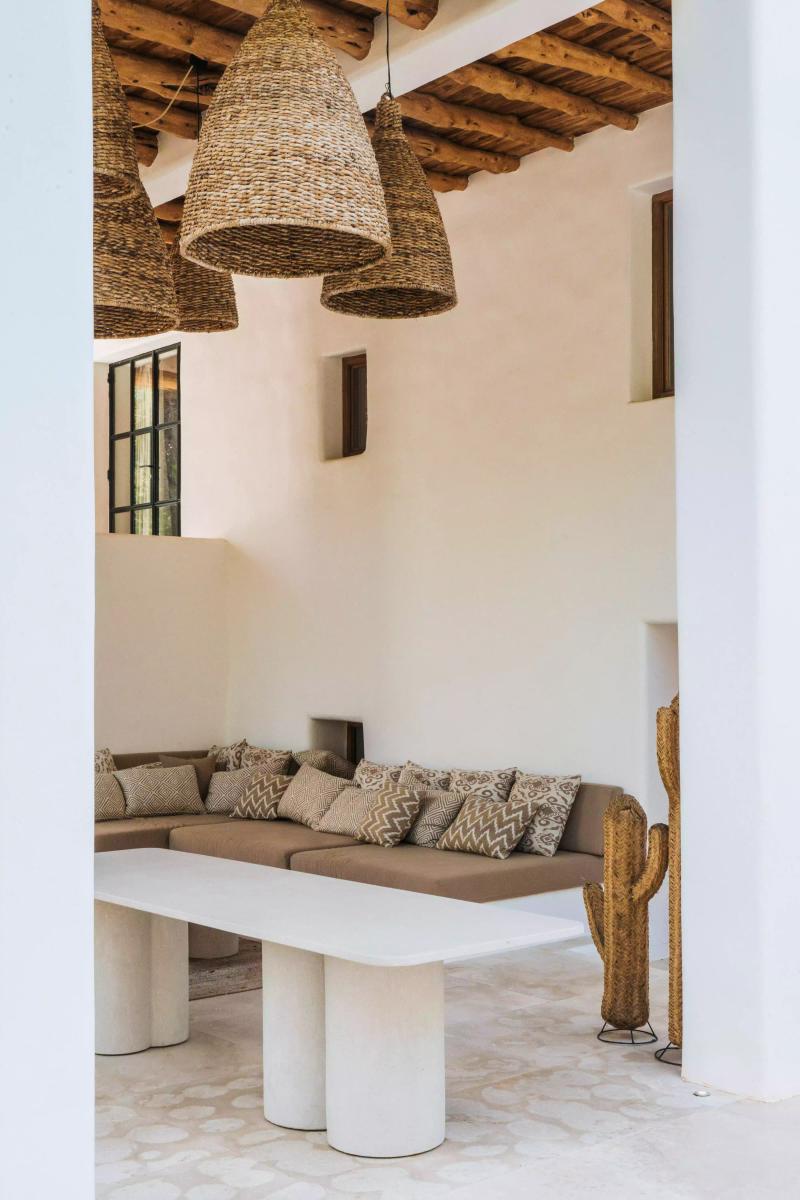
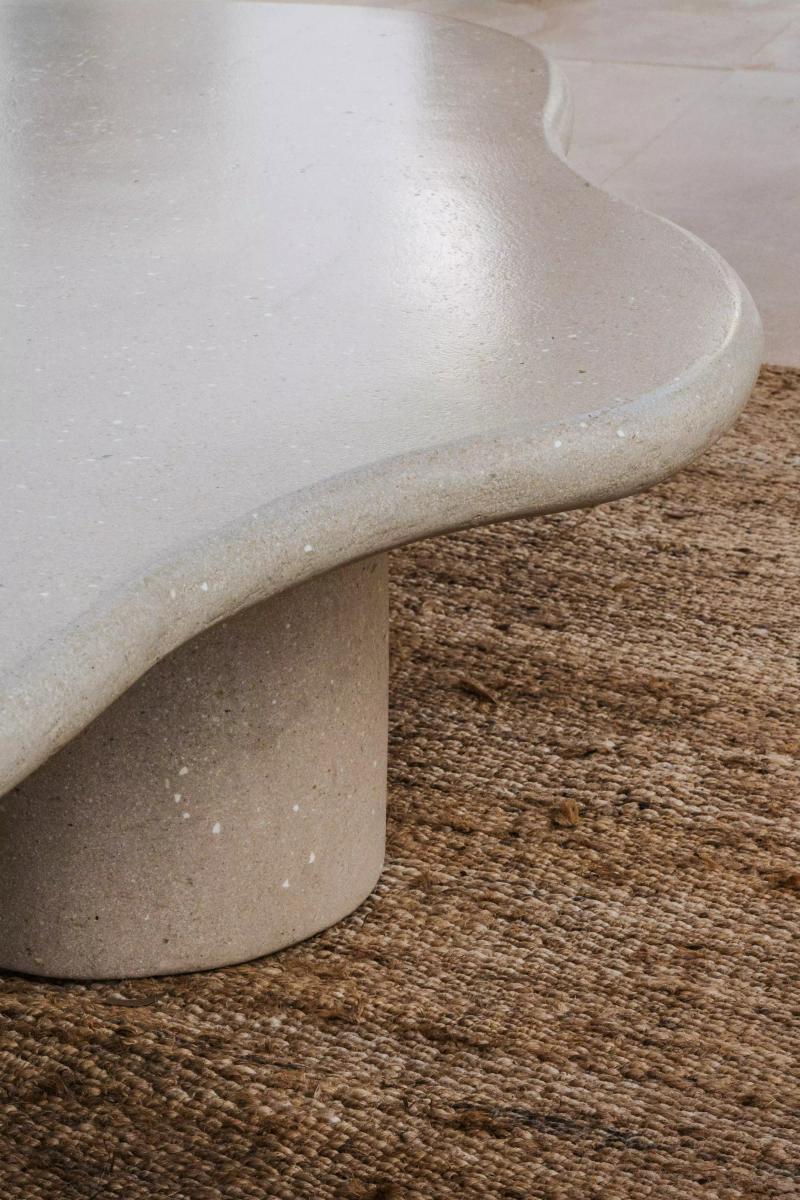
Maribelle Ibiza reads as compact but deliberate. In Ibiza, Spain, the plan keeps circulation clear so the room can stay quiet even when it is active. Materials do most of the speaking: wide-plank oak, brushed stainless steel, and matte painted walls that keep reflections controlled. The project keeps the brief grounded in use: Maribelle started with the trees. A row of old carob trees running along the eastern edge of the property, thick-trunked. The result is observational and precise. Nothing asks for attention, but everything is legible once you slow down.
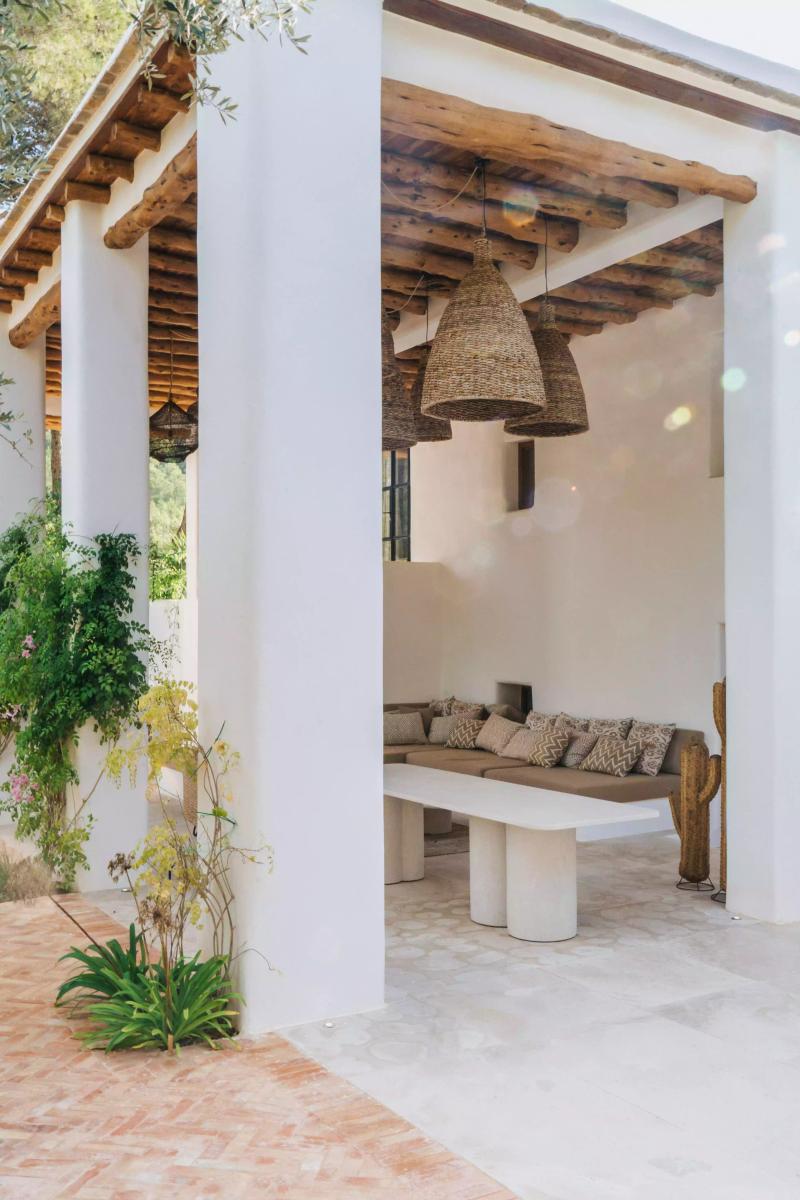
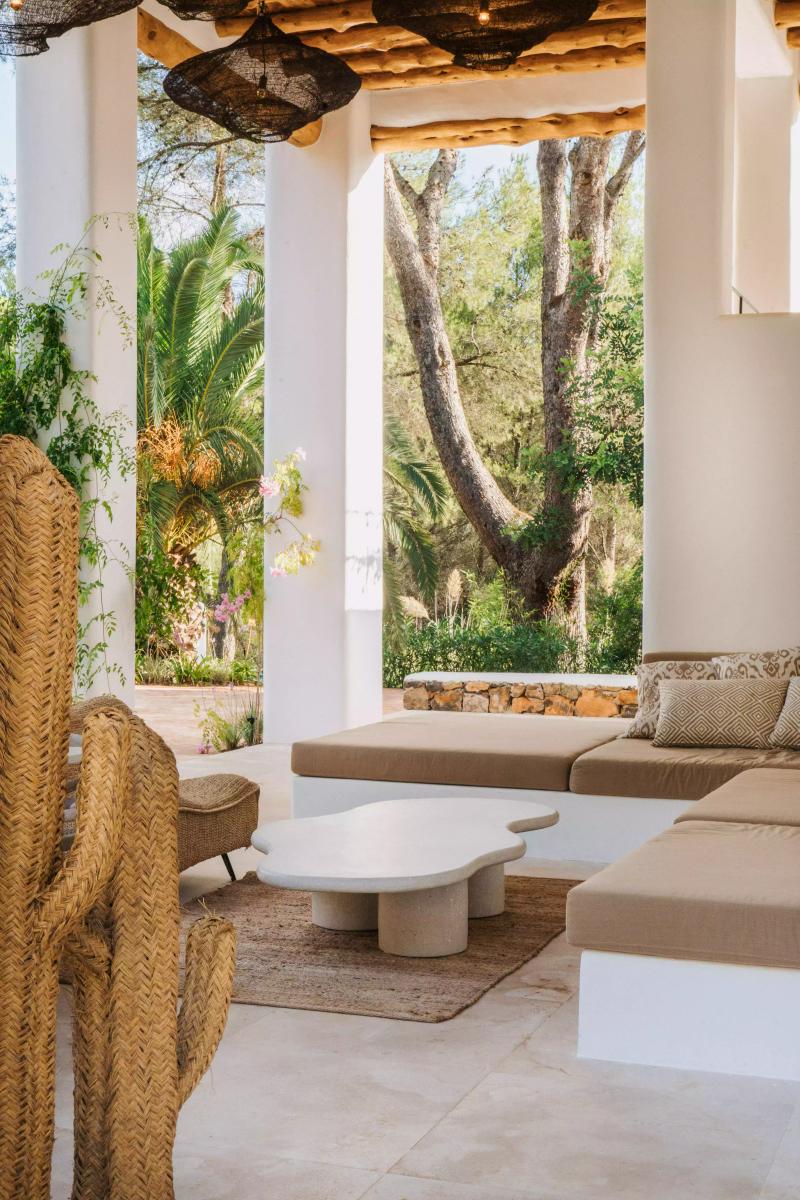
The sequence feels edited rather than sparse. You move through Maribelle Ibiza without friction, and each surface carries enough weight to hold the eye. Junctions are clean and repeatable, which gives the small shifts in material a stronger effect. The project keeps the brief grounded in use: Maribelle started with the trees. A row of old carob trees running along the eastern edge of the property, thick-trunked. What stays with you is restraint. The project avoids gestures and leans on proportion, texture, and sequence instead.
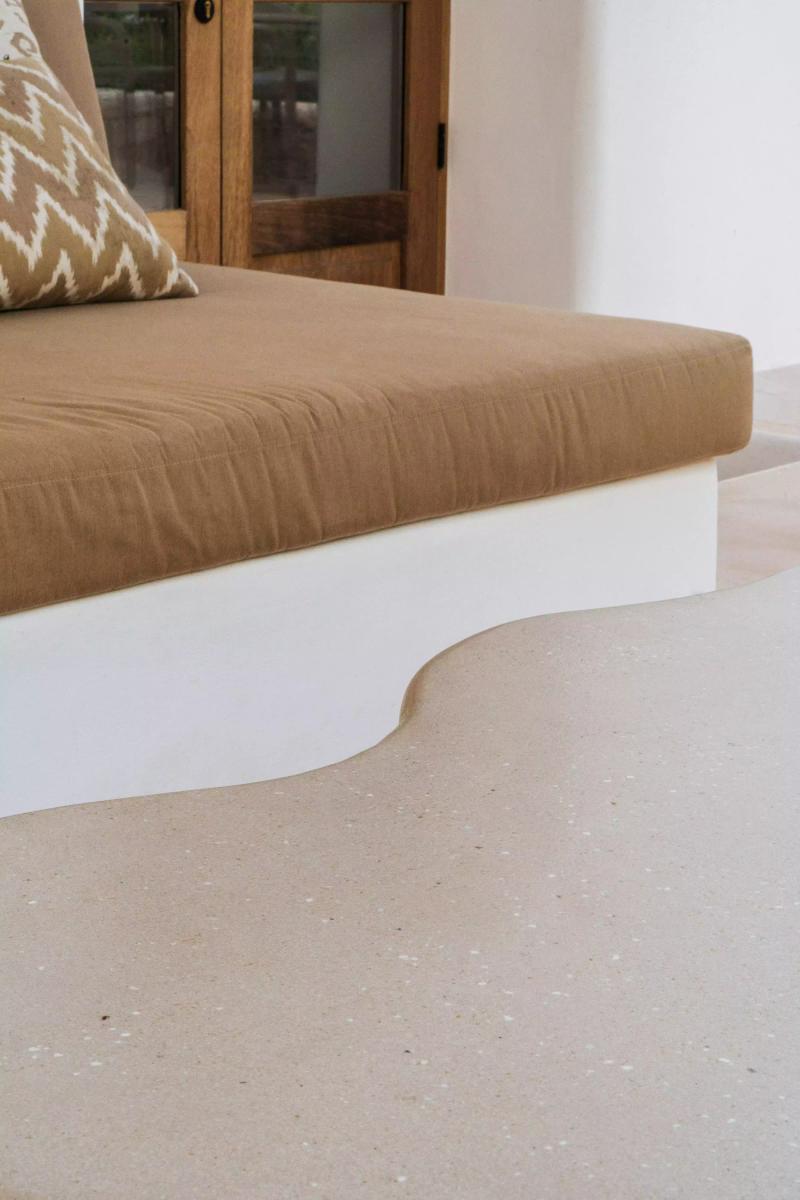
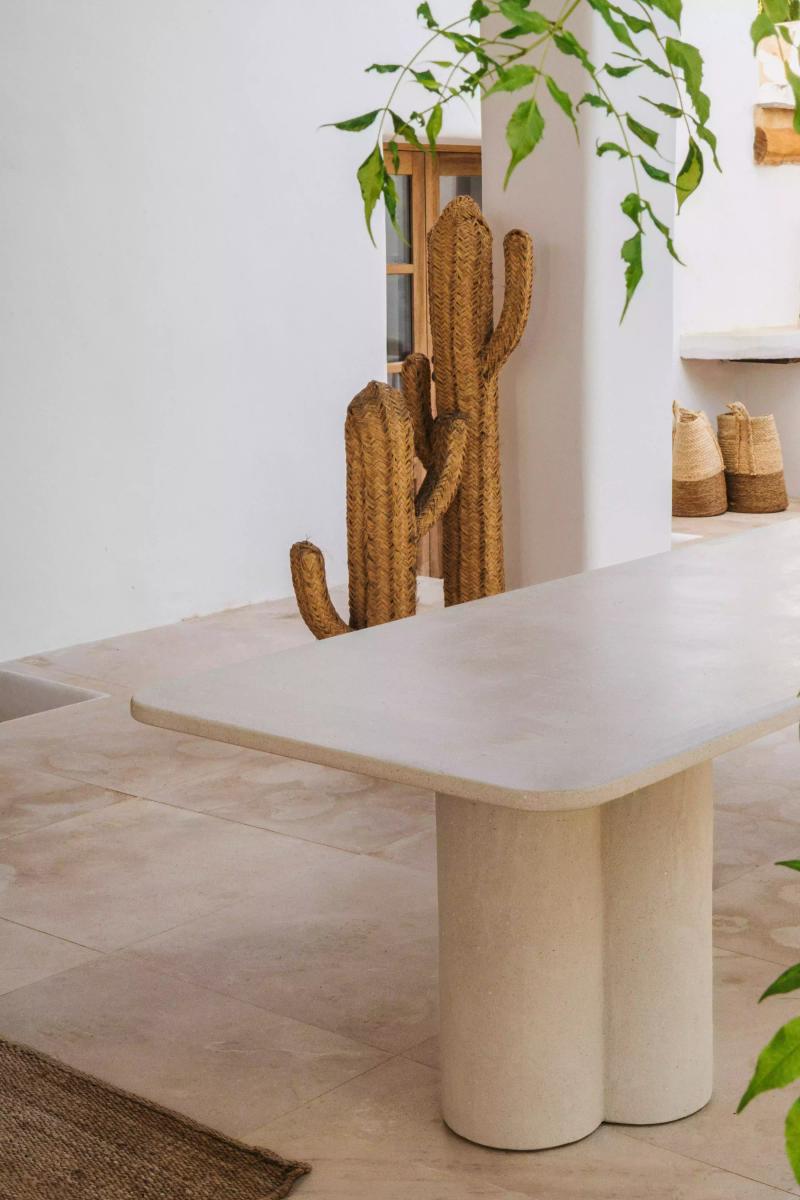
At Maribelle Ibiza, the layout works like a measured script. The room gives you one clear line of movement, then lets details accumulate at the edges. Junctions are clean and repeatable, which gives the small shifts in material a stronger effect. The project keeps the brief grounded in use: Maribelle started with the trees. A row of old carob trees running along the eastern edge of the property, thick-trunked. It lands through control, not spectacle. Proportion and material contrast carry the atmosphere from one frame to the next.
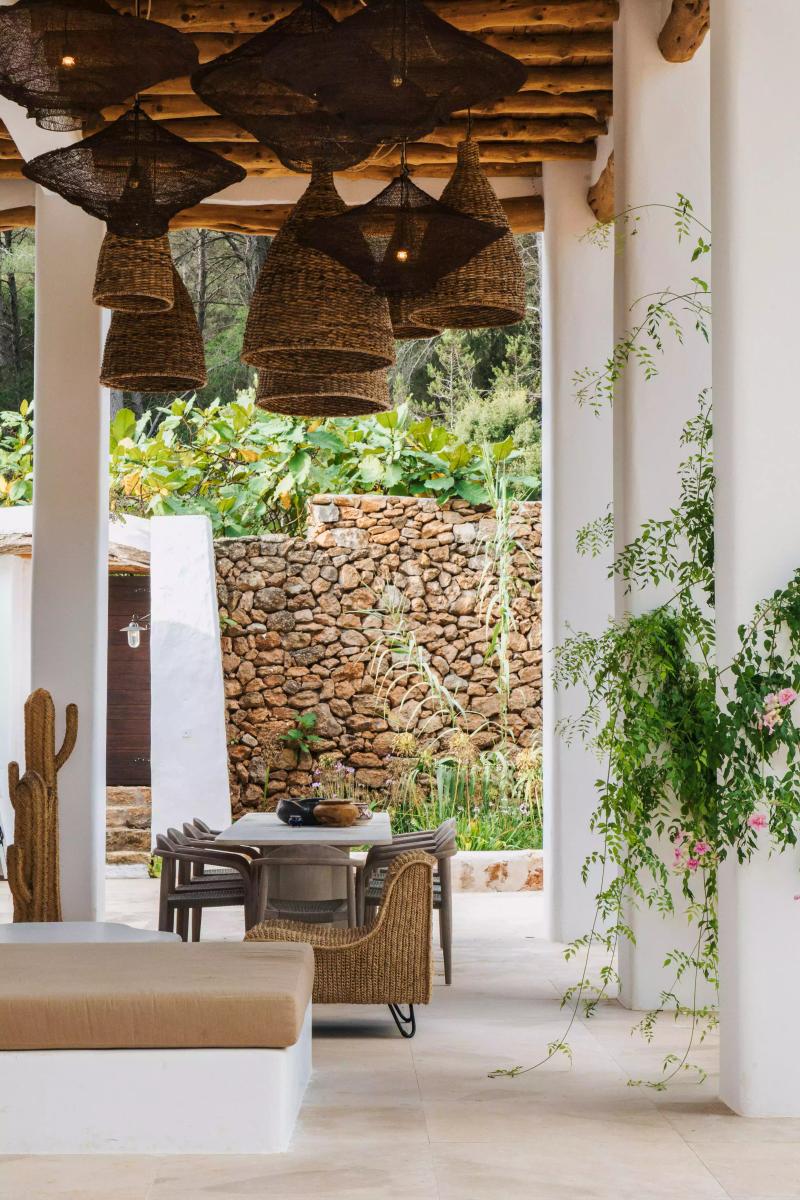
▪Spatial Priorities
Circulation clarity
Movement routes are kept legible so browsing, service, and dwell zones do not compete.
Material readability
Surface changes are used to clarify zones, touchpoints, and pace rather than decorative effect.
▪Material Notes
Key Materials
Material cues referenced in the project text: Concrete, Stainless Steel, Linen, Stone.
Color Reference
Image-derived palette baseline: Base #746648, Secondary #B9AFA4, Highlight #DBD6D1, Accent #9F937F. Use as a visual reference and validate against material samples on site.
Finish Notes
Keep finish notes practical: identify high-touch surfaces, wear-prone edges, and cleaning-sensitive materials.
▪Delivery Scope
Concept Development
Spatial concept, layout direction, and design intent framing.
Material & Finish Specification
Selection and documentation of key finishes, fixtures, and surfaces.
Art Direction
Visual consistency across touchpoints, detailing, and spatial expression.
Execution Support
Technical intent communicated for procurement, fabrication, and site coordination.
Related projects