Clubhouse
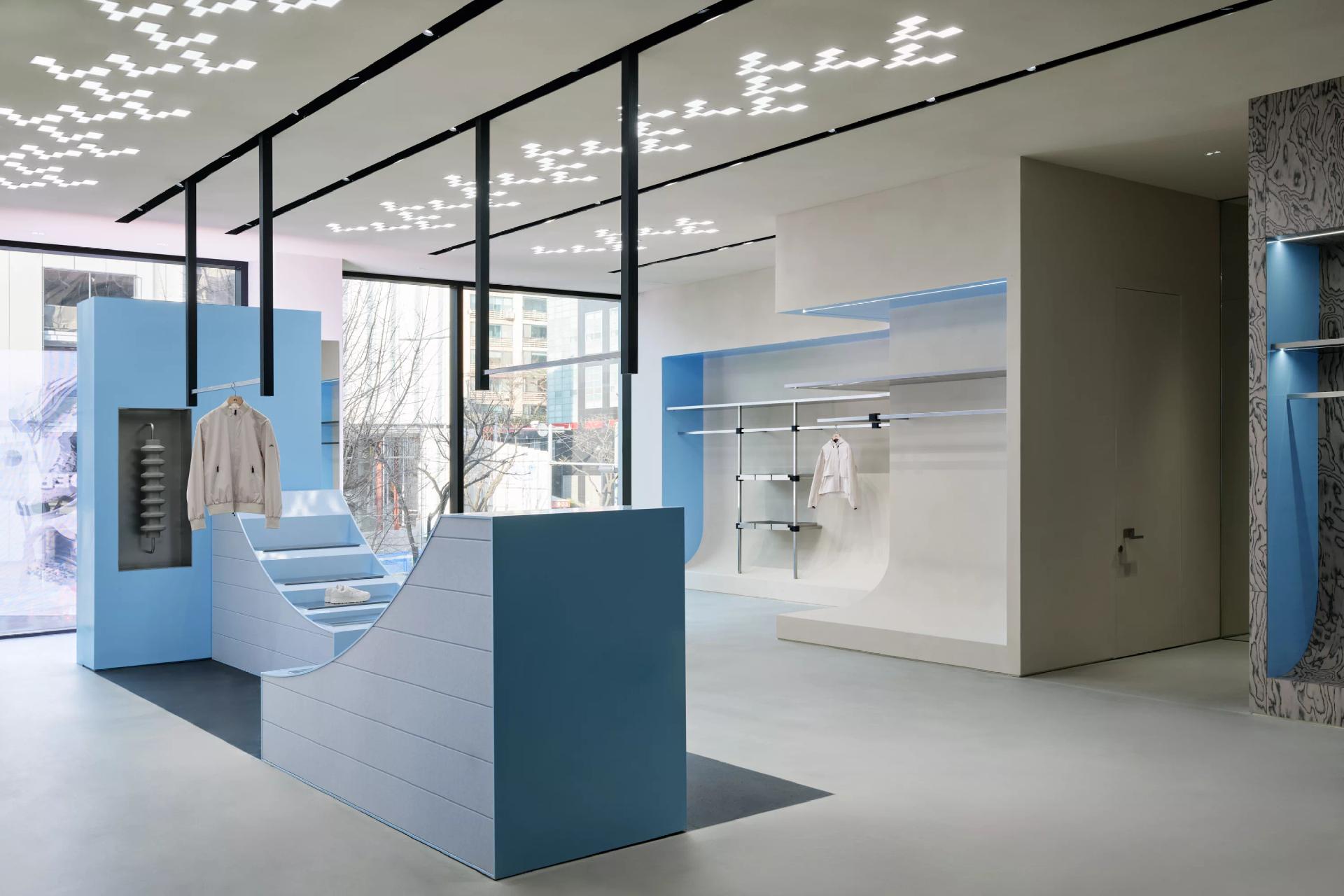
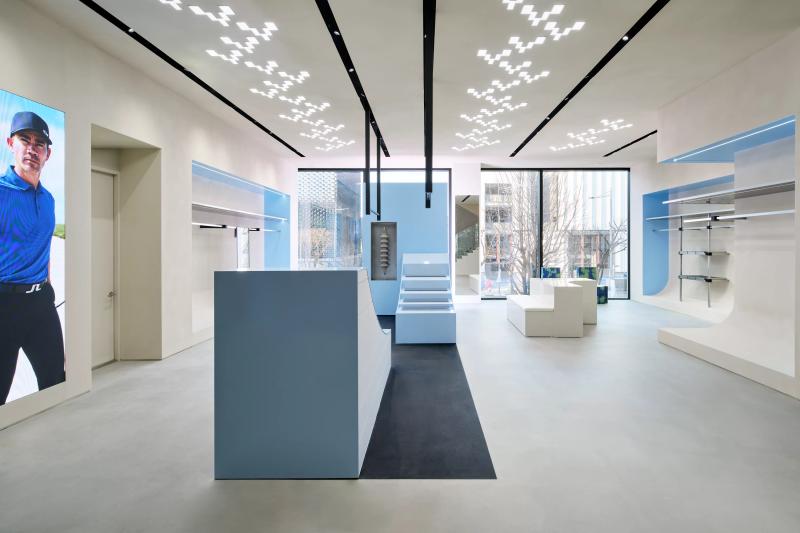
At 700 square metres, J.Lindeberg's Seoul flagship is the brand's largest store anywhere in the world, and it needed a concept big enough to fill that footprint without feeling hollow. Dojin Choi's answer was the bridge — not as a metaphor printed on a mood board, but as an actual architectural gesture that runs through the space. A raised walkway in brushed concrete cuts across the upper level of the double-height interior, connecting the fashion collection on one side to the performance and golf line on the other. You can see across both worlds from the middle. That's the point.
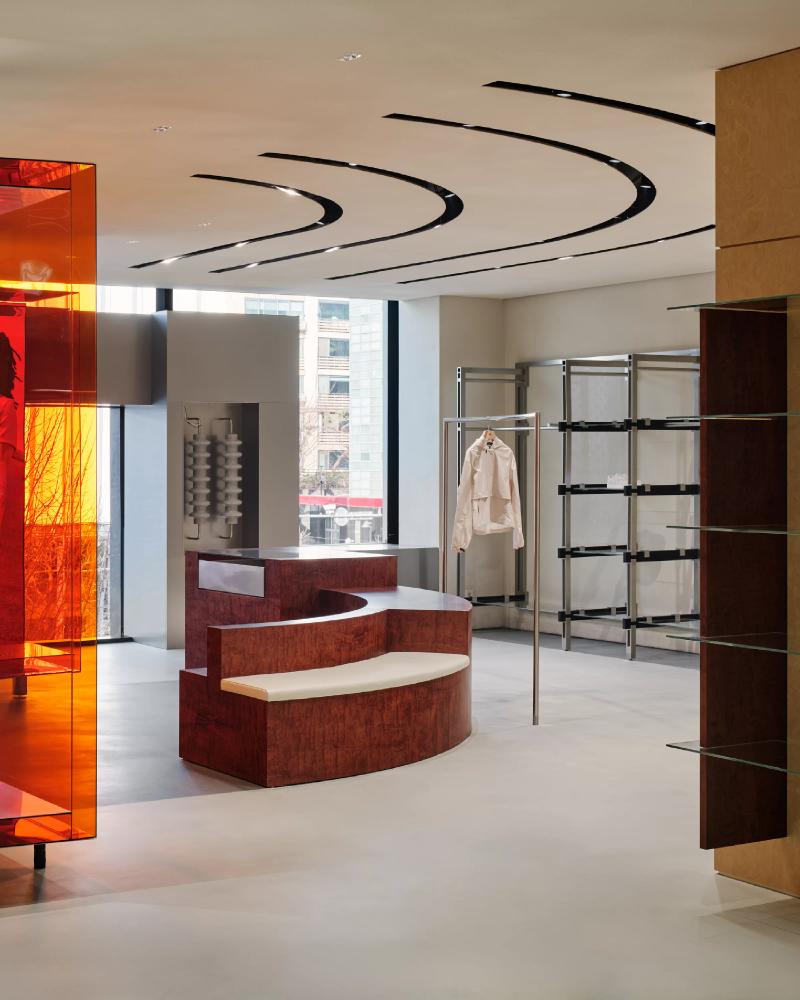
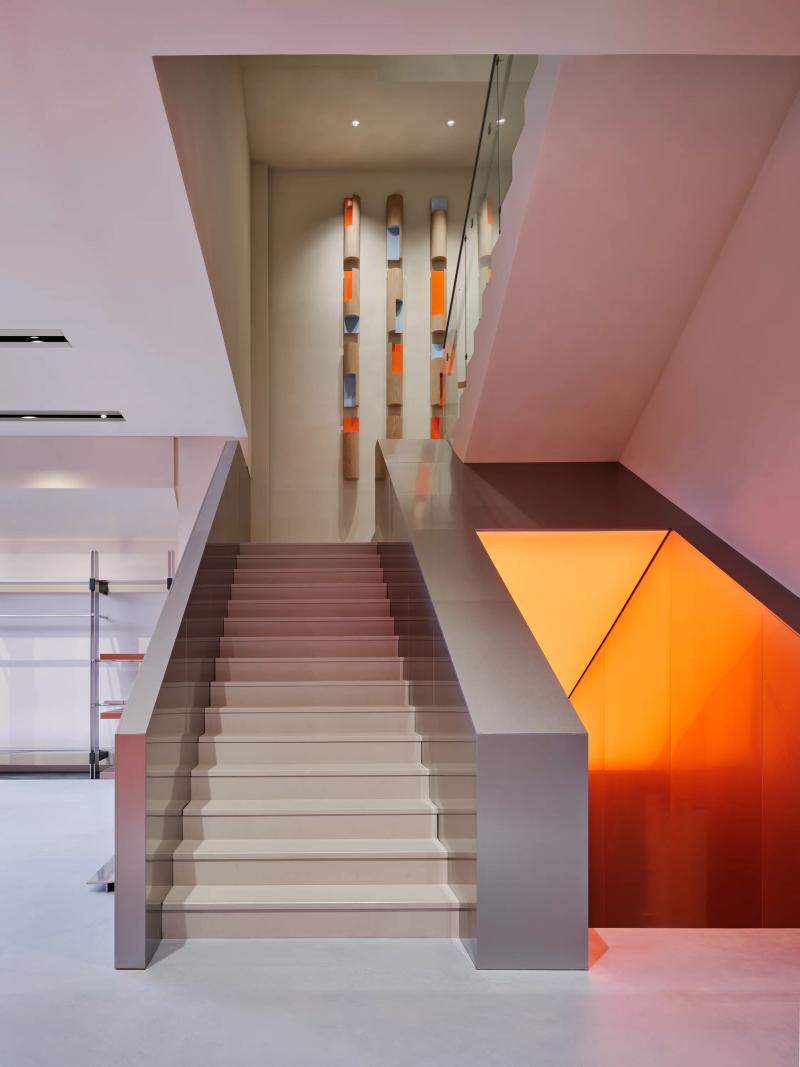
The ground floor is where most of the retail happens. The entrance opens into a wide atrium with polished terrazzo flooring in a dark aggregate that gives the space weight. To the left, the mainline collection is presented on freestanding units — matte black steel frames with oak shelving arranged in a loose grid that lets you move through them in any direction. To the right, the sport side is more dynamic: angled display walls in perforated aluminium, backlit panels showing campaign imagery, and a custom putting green tucked into an alcove where customers actually stop and play. Between the two zones, a central staircase in cast concrete with a brass handrail leads up to the bridge level and a lounge area with seating, a coffee bar, and views down into both halves of the store.
What keeps the Clubhouse from feeling like a department store is the consistency of its details. The lighting is carefully layered — ambient washes from recessed ceiling channels, accent spots on individual garments, and warm glowing panels behind the fitting rooms that make the brushed-plaster walls feel almost golden in the late afternoon. The fitting rooms themselves are large enough for two people, lined in a dark oak veneer with full-length mirrors framed in black steel. Even the hangers are custom , a weighted brass design that keeps jackets sitting properly. Seoul is a city that understands retail spectacle, and this store delivers it, but with a Scandinavian quietness underneath. It's impressive without being loud, which might be the hardest thing to pull off at this scale.
▪Location
Seoul, Korea
▪Sector
retail
▪Services
flagships, concept-store, showroom
▪Type
J.Lindeberg Flagship Store
▪Surface
700 m²
▪Creative Director
Dojin Choi
▪Project Manager
Hee Yeon Jang, Tomai Nordgren
▪Palette
Base
#79706B
Secondary
#9C9593
Highlight
#B1ACAB
Accent
#635649
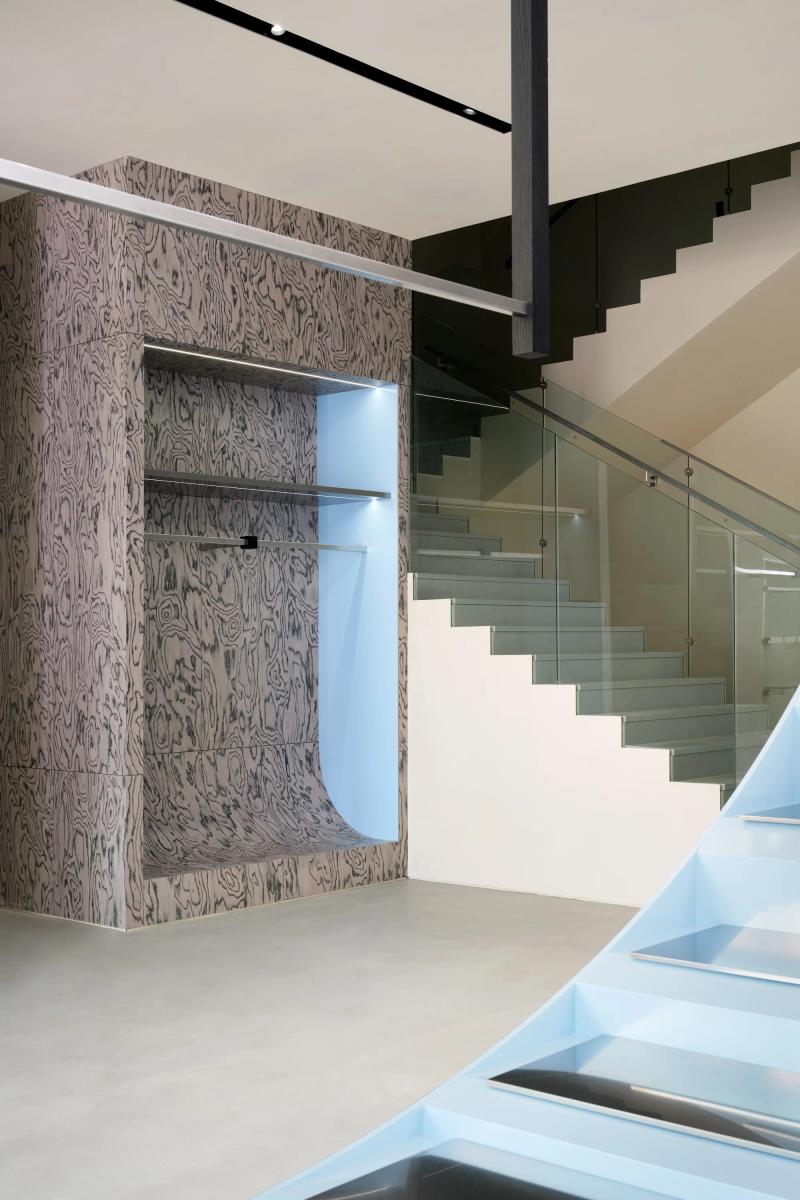
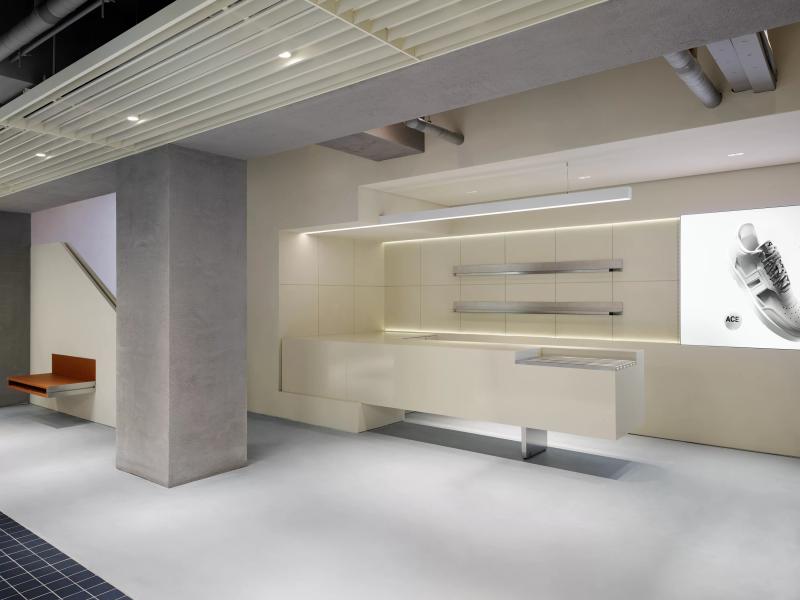
Clubhouse reads as compact but deliberate. In Cheongdam, Seoul, the plan keeps circulation clear so the room can stay quiet even when it is active. Materials do most of the speaking: wide-plank oak, brushed stainless steel, and matte painted walls that keep reflections controlled. The project keeps the brief grounded in use: At 700 square metres, J.Lindeberg's Seoul flagship is the brand's largest store anywhere in the world, and it needed a c. The result is observational and precise. Nothing asks for attention, but everything is legible once you slow down.
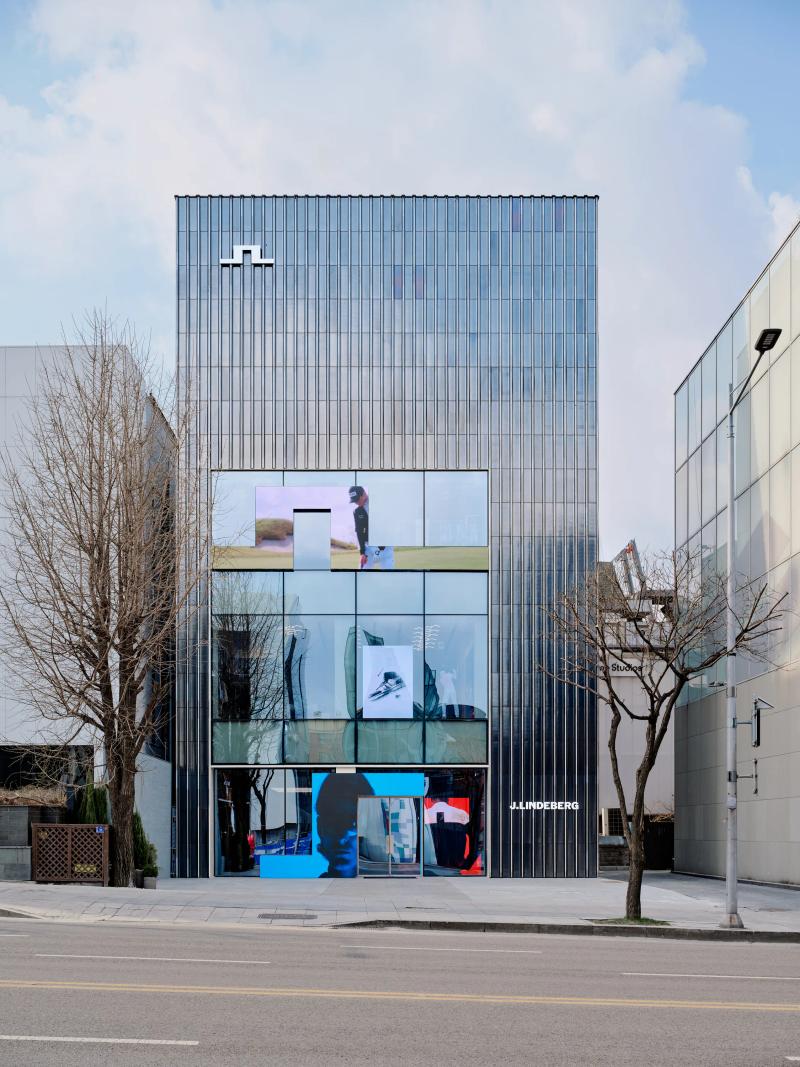
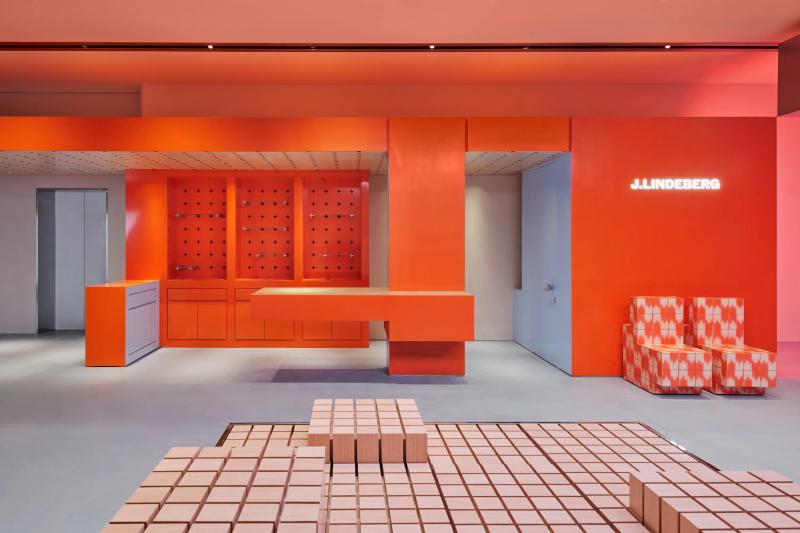
The sequence feels edited rather than sparse. You move through Clubhouse without friction, and each surface carries enough weight to hold the eye. Junctions are clean and repeatable, which gives the small shifts in material a stronger effect. The project keeps the brief grounded in use: At 700 square metres, J.Lindeberg's Seoul flagship is the brand's largest store anywhere in the world, and it needed a c. What stays with you is restraint. The project avoids gestures and leans on proportion, texture, and sequence instead.
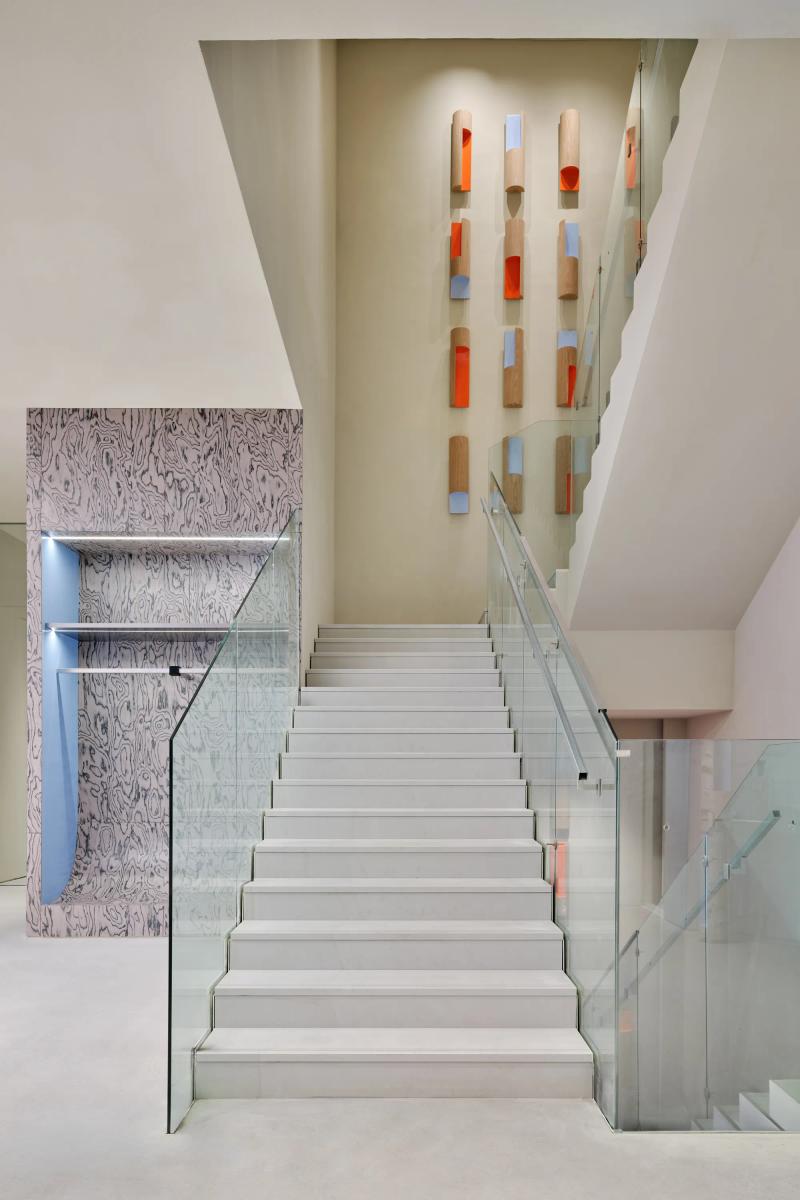
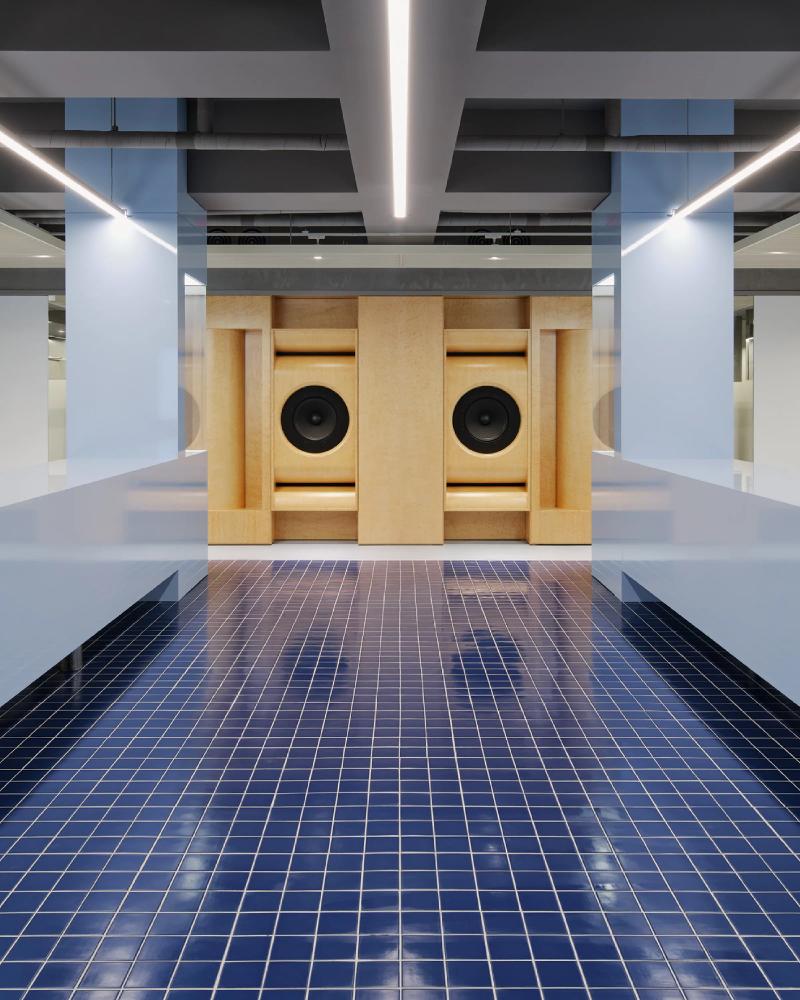
At Clubhouse, the layout works like a measured script. The room gives you one clear line of movement, then lets details accumulate at the edges. Junctions are clean and repeatable, which gives the small shifts in material a stronger effect. The project keeps the brief grounded in use: At 700 square metres, J.Lindeberg's Seoul flagship is the brand's largest store anywhere in the world, and it needed a c. It lands through control, not spectacle. Proportion and material contrast carry the atmosphere from one frame to the next.
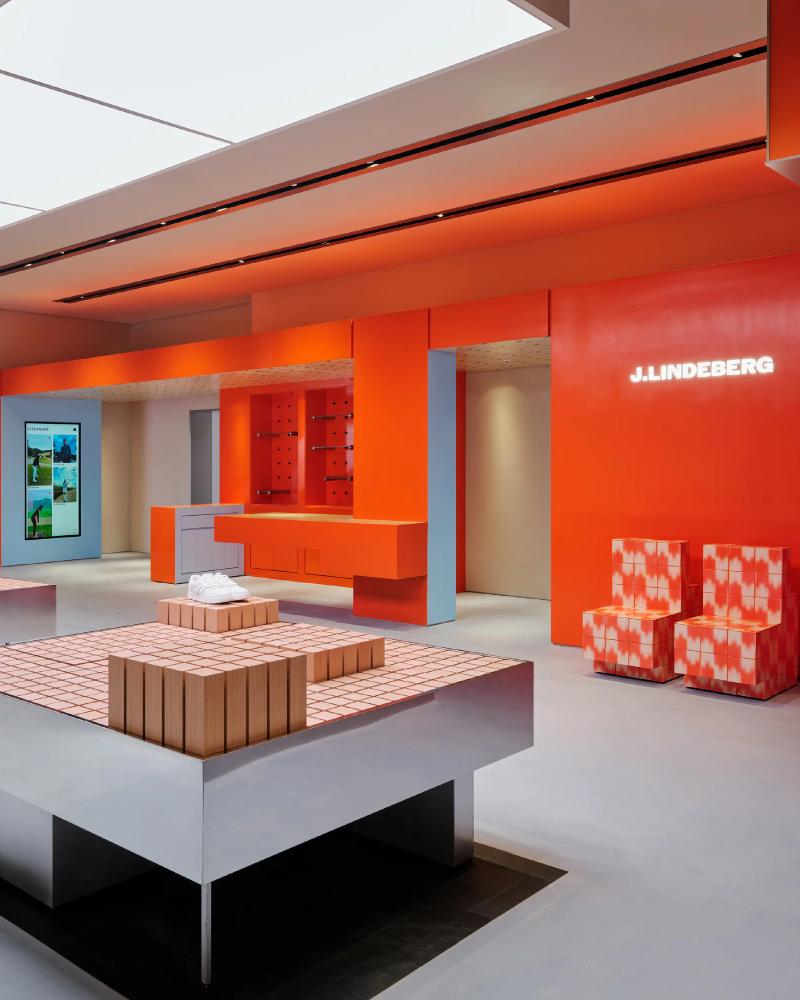
▪Spatial Priorities
Circulation clarity
Movement routes are kept legible so browsing, service, and dwell zones do not compete.
Sightline control
Displays and focal points are arranged to maintain visibility while preserving rhythm through the space.
Lighting hierarchy
Ambient, focal, and task lighting are balanced so materials read correctly without flattening depth.
▪Material Notes
Key Materials
Material cues referenced in the project text: Oak, Terrazzo, Concrete, Stainless Steel, Brass, Aluminum.
Color Reference
Image-derived palette baseline: Base #79706B, Secondary #9C9593, Highlight #B1ACAB, Accent #635649. Use as a visual reference and validate against material samples on site.
Finish Notes
Keep finish notes practical: identify high-touch surfaces, wear-prone edges, and cleaning-sensitive materials.
▪Delivery Scope
Concept Development
Spatial concept, layout direction, and design intent framing.
Material & Finish Specification
Selection and documentation of key finishes, fixtures, and surfaces.
Art Direction
Visual consistency across touchpoints, detailing, and spatial expression.
Merchandising / Display Logic
Display zones and fixture priorities coordinated with circulation and visibility.
Related projects